📖 Muse English چیست؟
Muse English یک اپلیکیشن رایگان آموزش زبان انگلیسی است، با درس روزانه برای هر شش سطح، از A1 (مبتدی) تا C2 (تسلط کامل). هر روز لغتهای تازه با معنی فارسی، یک پادکست واقعی، تمرین شدوئینگ، گرامر و آزمون دارید. دربارهٔ اپ
📚 لغتها
۷ لغت تازه لغتهای تازه با معنی فارسی، مثال واقعی و تلفظ.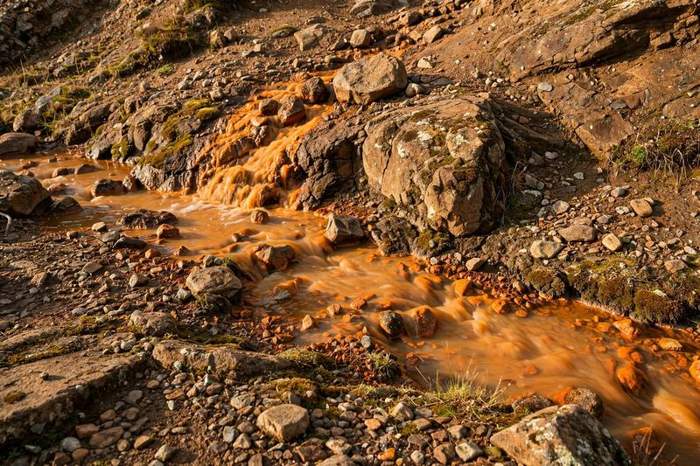
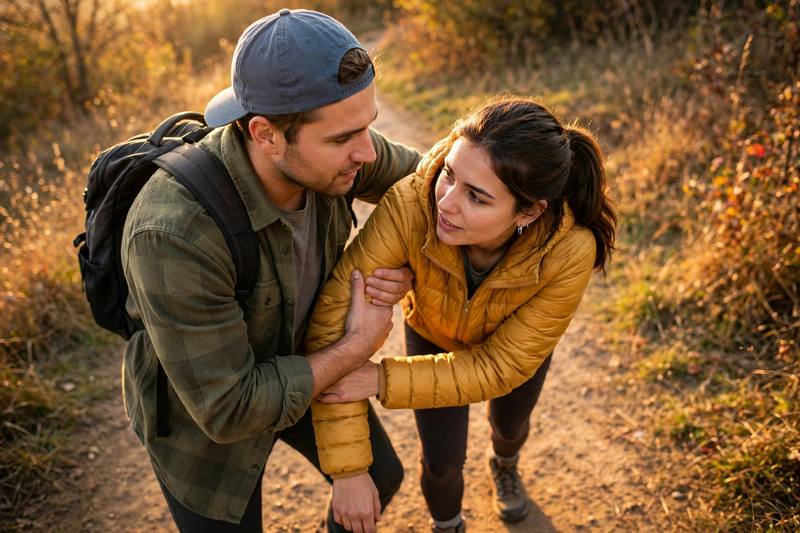
پادکست: فناوری
گفتوگوی امروز را گوش کنید.
📝 متن پادکست
Welcome to Muse English! I am Maya, and I am so happy you are here with us today.
And I am Lena. Hello, everyone. Today we are talking about technology through a real story about filming, fixing, and learning. I think you are going to enjoy it.
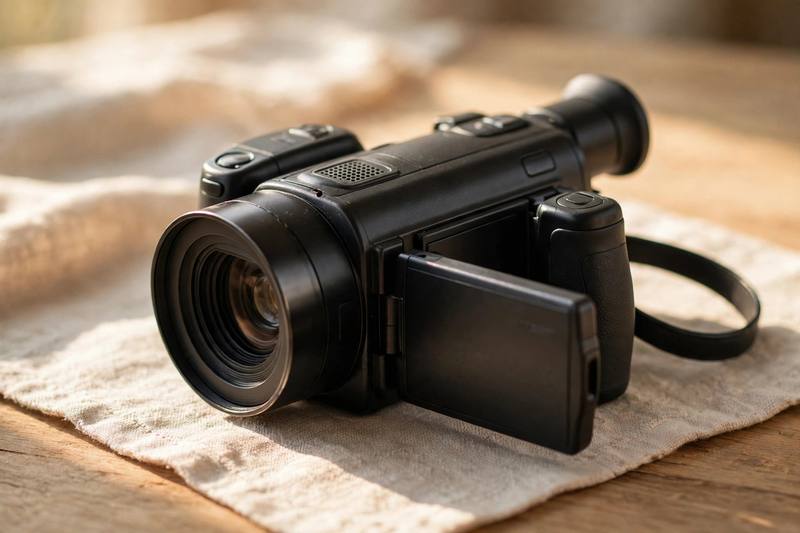
That is right. Last weekend, my neighbour Tomas decided to make a short film about our town. He did not use a new phone. He used his grandfather's old camcorder, and honestly, that camcorder became the star of the whole weekend.
I love that. A camcorder feels so different from a phone. When you hold a camcorder, you feel like a real filmmaker. Did the camcorder still work after all those years in a box?
Almost. The picture was fine, but the sound was terrible at first. We pressed the button to record, and nothing happened. Tomas pressed the button again and again, and the little red light just blinked at us.
Oh no. So the button was the first problem. You know, it is funny how one small button can stop a whole project. On a camcorder, that record button is everything. If the button sticks, you have no film at all.
Exactly. We cleaned around the button very carefully, and finally the button moved again. Tomas smiled and said, now the camcorder is alive. And he was right. The camcorder recorded the street, the market, and even my dog running in the park.
That sounds wonderful. But wait, how did you watch the film later? An old camcorder needs a special cable for the television, does it not?
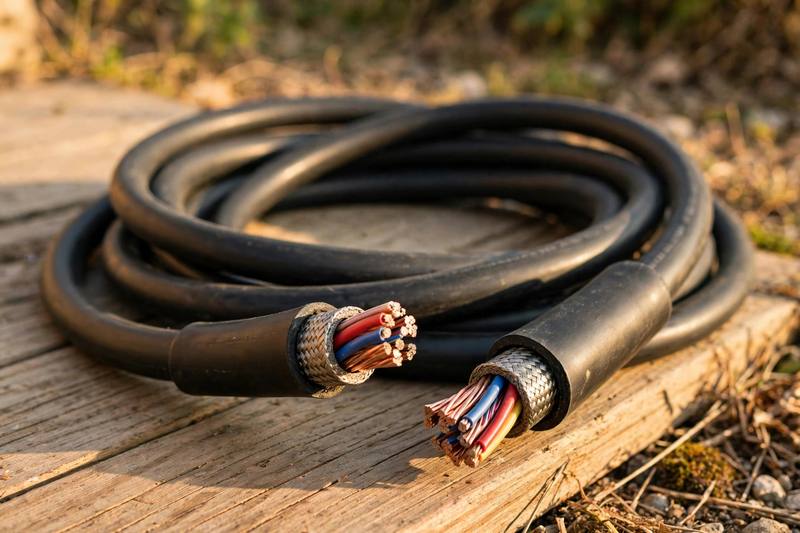
Yes, it does. We needed a thick cable to connect the camcorder to the TV. Of course, nobody could find the right cable. We searched three drawers, and every cable we found was the wrong cable.
I know that feeling so well. In my house there is a box full of cables, and somehow not one cable is ever the cable I need. Did you buy a new cable in the end?
My sister lent us a cable, and it worked perfectly. The cable carried the picture and the sound, and suddenly our little film was on the big screen. Tomas almost cried. He said, a simple cable just saved my whole project.
Before we continue, let me quickly remind you about something that can really back up your English learning. The Muse English app is free, and it gives you fresh words every day with photos and pronunciation, plus this podcast, shadowing stories, quizzes, grammar lessons, and points on the leaderboard. Install it today and let it back up your daily practice.
Thank you, Lena. Yes, a good app can back up a learner the way a good friend backs up a friend. And speaking of friends, Tomas needed people to back up his story. He was filming a scene about the old prison in our town, and he wanted the story to be true.
The old prison? That sounds a little scary. Tell me more about that part of the film.
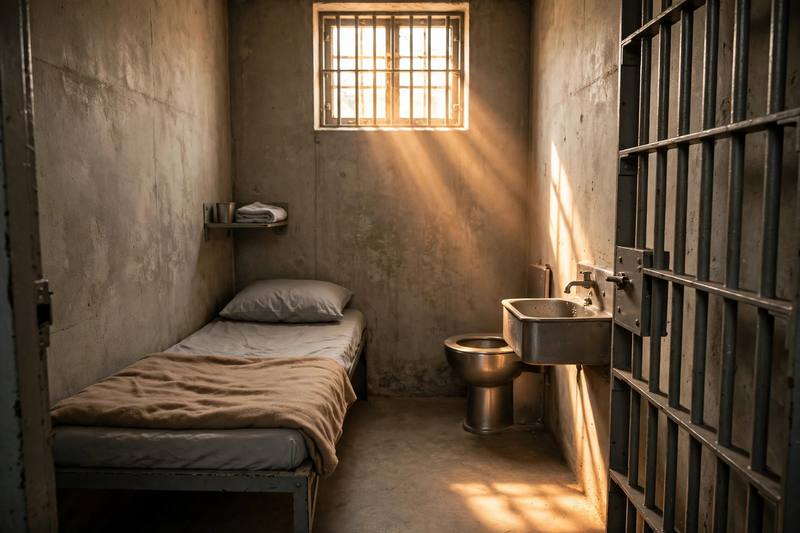
The prison is a museum now. Visitors can walk inside and see a real cell. Tomas filmed inside one small cell, and standing in that cell was a powerful experience. The cell had a tiny window, a hard bed, and a heavy door.
I visited a place like that once. When you stand in a cell that small, you understand the past in a completely different way. Did Tomas film the whole cell with the camcorder?
He did. He stood outside the cell and filmed slowly through the door. Later, at the museum desk, a guide explained that each cell once held one prisoner. Tomas wrote notes so the museum could back up his facts. He wanted every fact in his film to be correct, and the guide promised to back up his story with old documents.
That is so responsible. A filmmaker should never guess. If an expert can back up your story, your film becomes much stronger. And if a friend can back up your version of events, people believe you more.
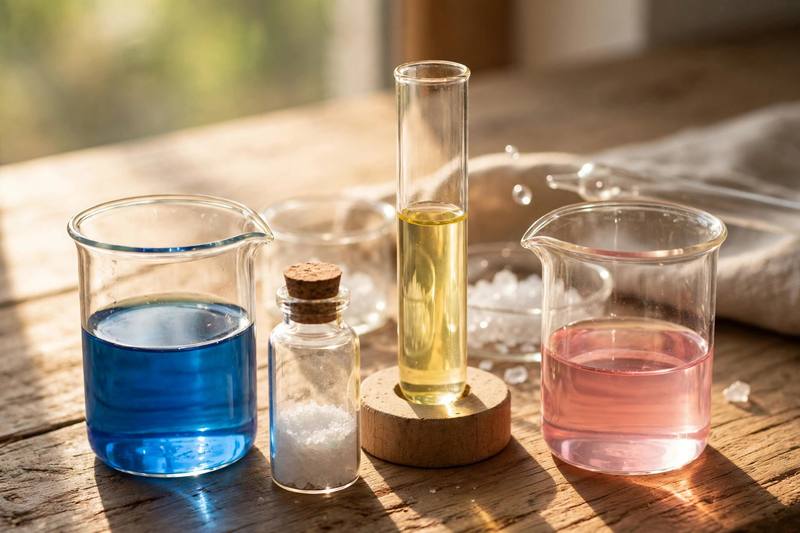
I agree completely. Now, in the museum there was also a small science room. A teacher was showing children how a safe chemical reaction can change colour. The children watched a clear liquid turn bright blue, and everyone clapped.
A chemical demonstration is perfect for a film. Colours changing on camera look amazing. But of course, every chemical must be handled with care. Was the teacher careful with each chemical she used?
Very careful. She wore gloves, she read every label twice, and she told the children that a chemical is not a toy. One chemical can be safe in a classroom and dangerous at home, so we must always respect every chemical and follow the rules.
That is an important lesson. At home, each chemical bottle has warnings for a reason. A short chemical scene can teach children safety better than a long lecture.
Exactly. And here is a funny detail. On the teacher's desk there was a small sign with a technical abbreviation. The sign just said ard, in big letters. One child asked, what does ard mean? And the teacher laughed and said, ard is a short technical term we use in this system, and every ard has a special job.
Ha, I love that. Abbreviations are everywhere in technology. The teacher used the word ard, and suddenly every child wanted to know about ard. Did Tomas understand what an ard does in the system?
The teacher explained it slowly. She said, think of ard as a tiny helper with one clear task. If the ard stops working, that part of the system stops too. She drew a picture of an ard on the board, and the children copied it into their notebooks.
That is a great way to teach. A strange short word like ard can feel hard at first, but with a picture and a story, ard becomes easy to remember.
So true. Now let me tell you about the second problem with the film. On Sunday morning, the camcorder stopped again. This time the button worked, the cable worked, but the battery was empty, and the charger cable was missing.
Not the cable again. It seems every technology story has a cable problem in the middle. A lost cable, a broken cable, a cable that is one centimetre too short. What did you do this time?
We borrowed a charger cable from the museum. While the battery charged, the staff showed us another cell, even smaller than the first cell, with no window at all. Tomas filmed the door of the cell closing slowly, and that shot became the most emotional moment of the film.
Before we hear the end, here is something that can support your next step. The Muse English app can back up your progress every day, with new words and photos, clear pronunciation, shadowing stories, quick quizzes, and grammar lessons. Your points grow on the leaderboard too. It is free to install, so let it back up your English journey today.
Thank you, Lena. Now, back to Tomas. On Sunday afternoon, we filmed the last scene at the science room again. The teacher repeated the colour experiment, and this time the chemical reaction was even brighter. She added one drop of a chemical, then another chemical, and the liquid turned purple.
Purple! The camcorder must have loved that. Bright colours, happy children, and a teacher explaining every step. Did she mention the ard again in that lesson?
She did. She pointed at the sign and said, remember, the ard controls this part of the machine. If the ard sends the wrong signal, the machine adds too much chemical. So the little ard protects the whole experiment. The children nodded like the ard was a tiny guard.
A tiny guard called ard. That is a story I will never forget. And you see, listeners, this is how vocabulary works. You will remember ard because the ard had a job, a story, and a picture on the board.
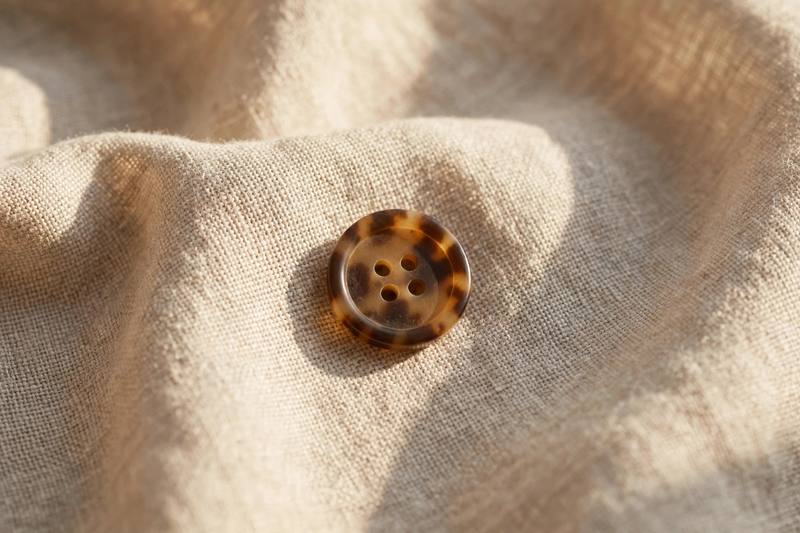
Beautifully said. There is one more small story. My shirt lost a button during filming. I looked down, and one button was simply gone. Lena, you laughed at me and said, first the record button, now your shirt button. This weekend is a festival of buttons.
I did laugh, I am sorry. But it was funny. The camcorder button failed in the morning, and your shirt button disappeared in the afternoon. We searched the floor for that button for ten minutes. A tiny button, and four adults on their knees looking for a button.
And we never found the button. I sewed on a new button at home, in a different colour. Every time I see that button, I remember the museum, the cell, and the purple chemical.
That is the best kind of souvenir. Now tell me, how did the film end? Did people like it?
People loved it. Tomas showed the film at the community centre. The mayor came, the museum guide came, and the guide stood up and said, I can back up every word of this story, because I saw the documents myself. The audience clapped for a long time.
What a perfect ending. The guide agreed to back up the story in public, Tomas had his film, and the camcorder survived the whole adventure. Let me think about what we learned. An old camcorder can still tell a new story. A small button matters. A simple cable matters.
And a prison cell can teach history, a chemical can teach safety, and a tiny ard can teach us that small parts have big jobs. Also, friends who back up each other can finish any project. Tomas thanked everyone who helped back up his idea from the first day.
Listeners, try to use today's words this week. Talk about a button on your coat. Look at the cable behind your television. Think about the word chemical when you read a label at home. And if a friend tells a story, be the person who can back up your friend.
And remember the little ard. Small word, big job, just like a small daily habit in English.
That is our time for today. Thank you for listening to Muse English. Keep practising, and join us tomorrow for another story and fresh words.
Goodbye, everyone. Practise your shadowing, try the quiz, and we will see you tomorrow.
🎙 تمرین شدوئینگ نمونهٔ رایگان
گوش کنید و همزمان با صدا بلند تکرار کنید. تمرین کامل شدوئینگ در اپ است: هر جمله را تکرار میکنید و میبینید اپ چند کلمه از آن را تشخیص داده است.
Nina packed her old camcorder for a film about the town.
She pressed the button, but the camcorder stayed silent.
Her brother fixed the button with a tiny screwdriver.
صحبت کردن را تمرین کنید
در اپ Muse English همهٔ جملهها را شدوئینگ کنید. اپ گوش میدهد و نشان میدهد چند کلمه از جملهتان را تشخیص داده است.
📝گرامر: Reporting Verbs (suggest, advise, deny, refuse)
Instead of say and tell, we often use a reporting verb that shows the speaker's purpose. *'I'll help you,' he said* becomes *He offered to help me.*
Some verbs take verb + to-infinitive: agree, offer, promise, refuse, threaten. *She refused to answer when Tomas asked about the broken cable.*
Other verbs take an object: verb + object + to-infinitive. Use advise, warn, remind, encourage and persuade this way: *He advised me to check the button on the camcorder.*
The negative infinitive is not to: *She **warned me not
این گرامر را در اپ کامل یاد بگیرید
توضیح کاملتر، مثالهای بیشتر و تمرین تعاملی.
راهنمای کامل و تمرینها: Reporting Verbs (suggest, advise, deny, refuse) ←
هر روز ادامه بدهید
هر روز درس، پادکست و آزمون تازه؛ رایگان در اپ Muse English.