

📖 Muse English چیست؟
Muse English یک اپلیکیشن رایگان آموزش زبان انگلیسی است، با درس روزانه برای هر شش سطح، از A1 (مبتدی) تا C2 (تسلط کامل). هر روز لغتهای تازه با معنی فارسی، یک پادکست واقعی، تمرین شدوئینگ، گرامر و آزمون دارید. دربارهٔ اپ
📚 لغتها
۷ لغت تازه لغتهای تازه با معنی فارسی، مثال واقعی و تلفظ.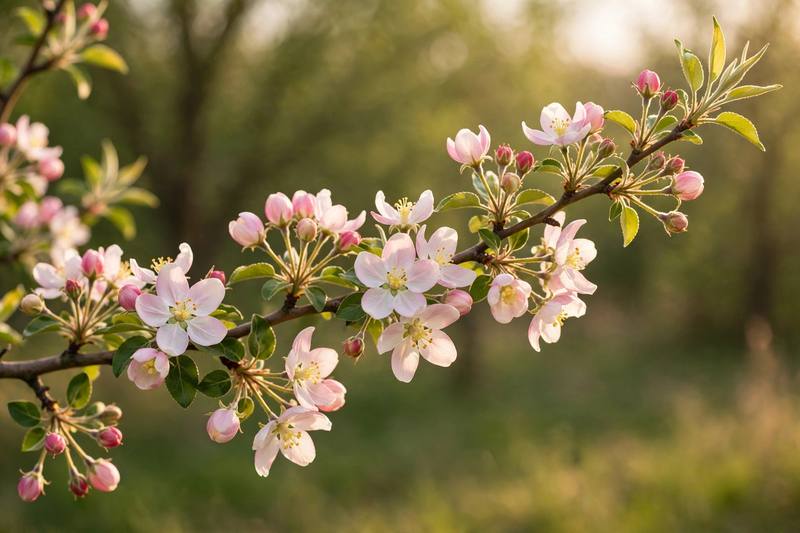

پادکست: طبیعت و محیط زیست
گفتوگوی امروز را گوش کنید.
📝 متن پادکست
Welcome to Muse English! I am Maya, and today we are stepping outside, into the fresh air, to talk about nature and the environment. Our guide today is the humble tree.
I love this topic, Maya. Trees are everywhere, but most of us walk past them without really looking. Today we will look closely, and we will learn seven beautiful words along the way.
Let us start in spring. Lena, what is the first sign that winter is finally over?
For me, it is the moment the trees blossom. One week the branches are bare, and the next week they are covered in soft pink and white flowers. When cherry trees blossom, whole streets turn into a celebration.
That word, blossom, is a verb. A tree or a plant produces flowers. The cherry trees blossom beautifully in spring. And it is not only cherry trees. Apple trees blossom, almond trees blossom, and in some parts of the world, whole hillsides blossom at once.
Before we go deeper into the forest, let me pause for a moment. If you are enjoying learning English with us, the Muse English app makes it easy to keep going. Every day you get new words with photos and pronunciation, plus this podcast, shadowing stories, quizzes, grammar lessons, and a leaderboard where you can earn points. It is free to install, and it turns ten quiet minutes into real progress. Give it a try after this episode.
I have a photo from last spring. My street looked like a painting. Every tree seemed to blossom on the same day, as if they had all agreed on the plan.
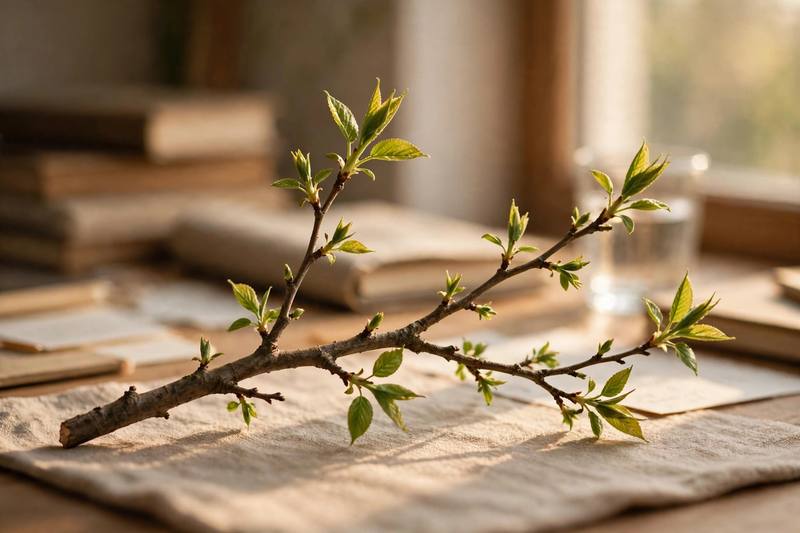
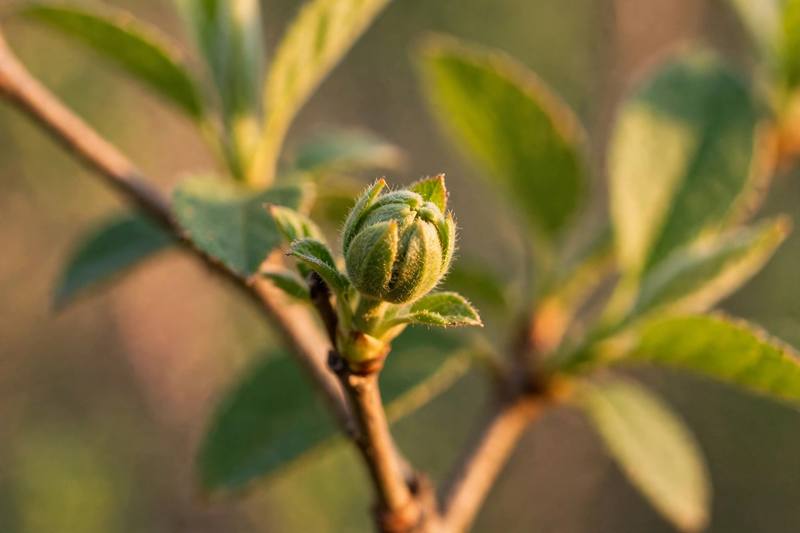
And before the blossom, there is the bud. A bud is a small new part of a plant. In early spring, you can see tiny green buds on every branch. The rose bush has many buds, and each one is a flower waiting to happen.
I love that image. A bud is a promise. You look at a small green bud in March, and by May it is a flower. The buds on my balcony plants always surprise me. One morning there is nothing, and the next morning, a bud has opened.
Exactly. And here is a lovely detail. When a bud opens and the tree begins to blossom, bees arrive within hours. The tree needs the bees, and the bees need the blossom. Nature is full of these quiet partnerships.
Thank you, Lena. Now, let us jump forward to summer. Lena, what happens to a city park in July?
It becomes an oven. Honestly, Maya, some days it is boiling outside. When the sun is high and there is no wind, the air feels boiling hot, and everyone looks for shade.
Boiling is a wonderful word for that feeling. It means very hot. It is boiling outside today, so wear light clothes. We usually say it about water, but in everyday English we say it about the weather, about a room, even about a crowded bus.
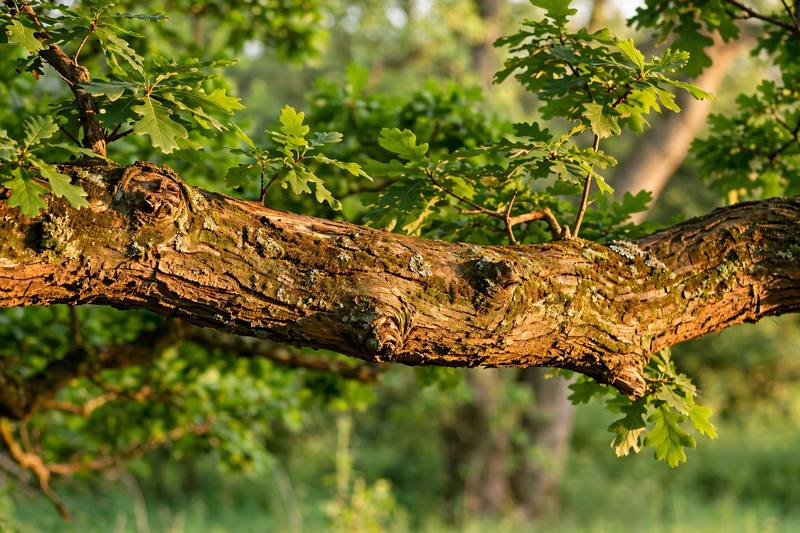
And where do people go when it is boiling? Under the trees. That is where the bough comes in. A bough is a large branch of a tree. A bird was sitting on a thick bough of the oak tree, and below it, a whole family was having a picnic in the shade.
I love that picture. A thick bough can hold a swing, a bird's nest, or a tired walker. In the park near my home, there is an old oak with one enormous bough that stretches over the path like a roof. On a boiling afternoon, twenty people can sit under that one bough.
And a bough is not just shade. It is a home. Birds build nests on a bough. Squirrels run along a bough. In spring, the same bough that gives shade in summer is covered in buds, and later it will blossom.
That is the magic of a tree. The same bough changes its job four times a year. It holds buds in spring, flowers when the tree starts to blossom, leaves in summer, and bare wood in winter.
Maya, you mentioned science earlier. Biology is a branch of natural science. That is a different use of the word branch. A branch can be a part of a tree, or a part of a larger subject or field of study.
Yes, and botany is another branch of science. Botany is the branch that studies plants. So when scientists study how a bud opens, or why trees blossom in spring, they are working in the branch of botany.
That is a nice connection. The tree has branches, and science has branches too. A branch of a tree carries leaves. A branch of science carries knowledge.
Let me take a quick break here to tell you about something that will help your English. The Muse English app is where this podcast lives, and it is so much more than a podcast. You get daily words with clear photos and pronunciation, shadowing stories to practise speaking, quizzes that test what you remember, grammar lessons, and points on a leaderboard to keep you motivated. It is free, and you can start today. Search for Muse English and join us.
Let us talk about animals now, because spring is their season too. Many animals breed in the spring. To breed means to produce young animals. Birds breed in the spring, and their nests appear on every bough.
And it is not only birds. Frogs breed in ponds. Deer breed in the forest. When animals breed, the whole forest becomes noisy and busy. You can hear it if you listen.
There is a sad side too. Some animals can only breed in one special place. If that place is damaged, they cannot breed anywhere else. Protecting those places is one of the most important jobs in conservation.
And some animals breed only once a year, so every spring matters. If the weather is strange, or the food is late, the young animals may not survive. Nature is strong, but it is also fragile.
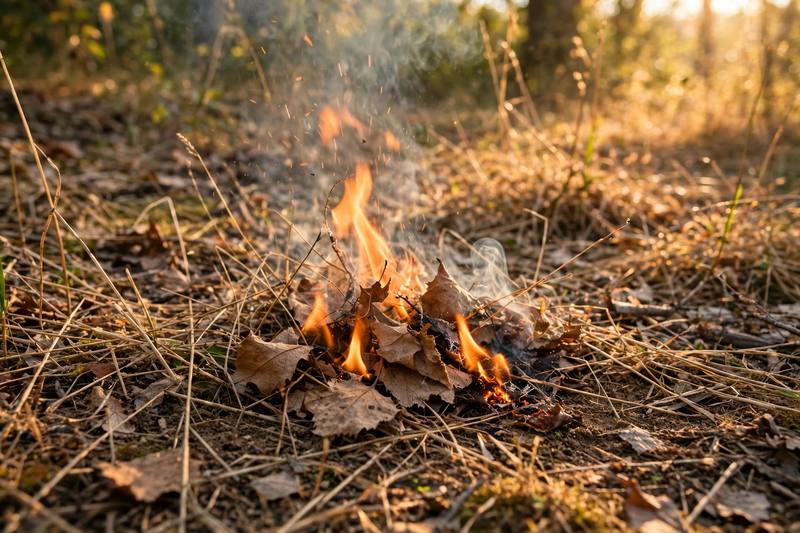
That brings us to a serious word: break out. To break out means to start suddenly, like a war, a fire, or a disease. In a hot dry summer, a fire can break out in a forest. A fire broke out in the old factory last year, but in nature, a wildfire can break out after a single lightning strike.
That is frightening, and it happens more often now. When a fire breaks out in a dry forest, it can spread fast. A small spark can break out into a huge fire in less than an hour.
Firefighters say the first minutes matter most. If a fire breaks out and nobody sees it, it grows. But if people watch the forest, they can stop it early.
It is a good reminder that the same summer sun that makes the air boiling can also make the forest dangerous. Nature gives us beauty, and it asks us to be careful.
Now, let us walk back through the seasons one more time, because I want our listeners to remember these words. In spring, the buds open. A bud is small and green, and it opens into a flower. Then the trees blossom, and the whole world smells sweet.
In summer, it can be boiling hot, and we rest under a thick bough. A bough is a large branch of a tree, and it gives us shade, and it gives birds a home.
And remember the two meanings of branch. A branch is part of a tree, and a branch is also part of a subject. Biology is a branch of natural science, and botany is the branch that studies plants.
In spring, many animals breed. They breed in the forest, in the ponds, and in the trees. And we must protect the places where they breed, because they cannot breed anywhere else.
And in a dry summer, a fire can break out. A fire broke out in the old factory once, and wildfires break out in forests too. When a fire breaks out, quick action saves lives.
So here is our little quiz for you. Think of a bud. What is it? It is a small new part of a plant. Think of a bough. What is it? A large branch of a tree. Think of boiling. When do we say it? When it is very hot.
And blossom? A tree or a plant produces flowers. Breed? To produce young animals. Break out? To start suddenly. And branch? A part of a larger subject, or a part of a tree.
Beautiful. If you can answer those questions, you already know today's seven words. Try to use them this week. Tell a friend about the buds in your garden. Talk about the boiling weather. Point at a bough and name it.
And if you walk in a park, look up. Somewhere above you, a bird is sitting on a bough, a bud is opening, and a tree is getting ready to blossom. Nature is teaching us English every single day.
One more idea before we go. Start a nature diary. Each week, write three short sentences about what you see outside. This week, write about a bud. Next week, write about a tree that starts to blossom. When summer comes and the air is boiling, write about the shade under a bough. A diary like that turns English into a habit, and it turns a simple walk into a lesson.
I love that. A diary is small, it is free, and it works. And when you write, use the words we learned today. Write about the branch of science that studies plants. Write about the animals that breed near your home. Even write about how a fire can break out, and why we must protect the forest.
That is all for today. Thank you for listening to Muse English. Keep practising, keep walking outside, and we will see you tomorrow with seven new words.
Goodbye, everyone. And remember, the trees are waiting for you.
🎙 تمرین شدوئینگ نمونهٔ رایگان
گوش کنید و همزمان با صدا بلند تکرار کنید. تمرین کامل شدوئینگ در اپ است: هر جمله را تکرار میکنید و میبینید اپ چند کلمه از آن را تشخیص داده است.
Sara loves the old park near her home.
Every spring, she walks under the big oak tree.
In March, the buds on the oak are small and green.
صحبت کردن را تمرین کنید
در اپ Muse English همهٔ جملهها را شدوئینگ کنید. اپ گوش میدهد و نشان میدهد چند کلمه از جملهتان را تشخیص داده است.
📝گرامر: Second Conditional
We use the second conditional for unreal or unlikely situations in the present or future, and their results.
The form is if + past simple in the if clause, and would + verb in the main clause. The past tense here does not mean past time. It shows the situation is unreal.
You can also use could or might instead of would when you talk about possibility. The meaning stays unreal, but the result feels more open.
With the verb be, use were for all persons, even with I, he, and she. The phrase If I were you is the classic way to give advice.
Never put
این گرامر را در اپ کامل یاد بگیرید
توضیح کاملتر، مثالهای بیشتر و تمرین تعاملی.
هر روز ادامه بدهید
هر روز درس، پادکست و آزمون تازه؛ رایگان در اپ Muse English.