

📖 Muse English چیست؟
Muse English یک اپلیکیشن رایگان آموزش زبان انگلیسی است، با درس روزانه برای هر شش سطح، از A1 (مبتدی) تا C2 (تسلط کامل). هر روز لغتهای تازه با معنی فارسی، یک پادکست واقعی، تمرین شدوئینگ، گرامر و آزمون دارید. دربارهٔ اپ
📚 لغتها
۷ لغت تازه لغتهای تازه با معنی فارسی، مثال واقعی و تلفظ.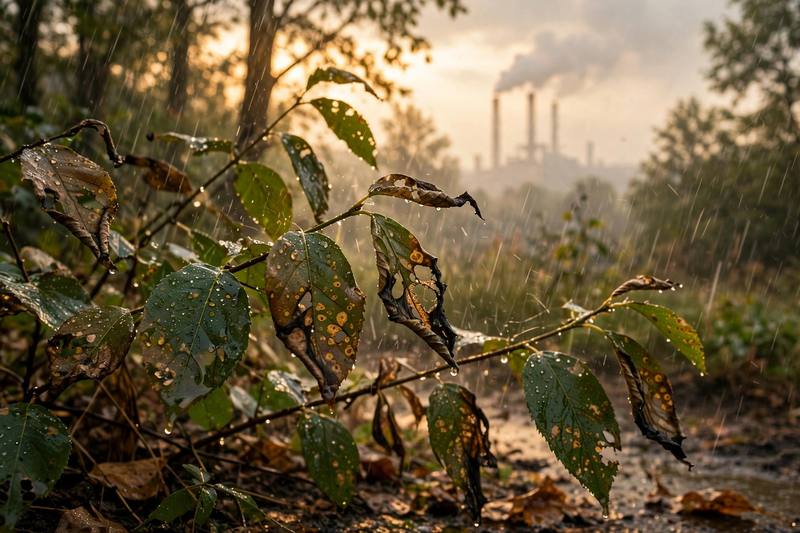


پادکست: طبیعت و محیط زیست
گفتوگوی امروز را گوش کنید.
📝 متن پادکست
Welcome to Muse English! Hello, everyone, and welcome back to another episode of Muse English, the show where we learn new English words through real conversation. I am Maya.
And I am Lena. Hi, Maya, and hi, everyone. Today we are talking about nature and the world around us, and we have seven wonderful words for you.
Yes, and we will use them again and again, so by the end of the show, they will feel easy and natural. Our words today are acid rain, AIDS, air pollution, atmosphere, bark, bat, and beak.
That is quite a mix. A walk in the park, the air we breathe, and even a little science. Where do we start?
Let us start with yesterday, because I spent the whole afternoon in the park, and the atmosphere there was just lovely.
Oh, I love that park. The atmosphere in the evening is so calm and friendly, with families on the grass and music in the distance.
Exactly. The atmosphere was warm and relaxed. Children were playing baseball, and one boy swung his bat and hit the ball high into the sky.
A good swing with a bat takes practice. I remember trying to hit a ball with a bat when I was a child, and I missed every single time.
Well, this boy did not miss. But do you know what made me laugh? A small dog ran across the field, and it began to bark at the ball.
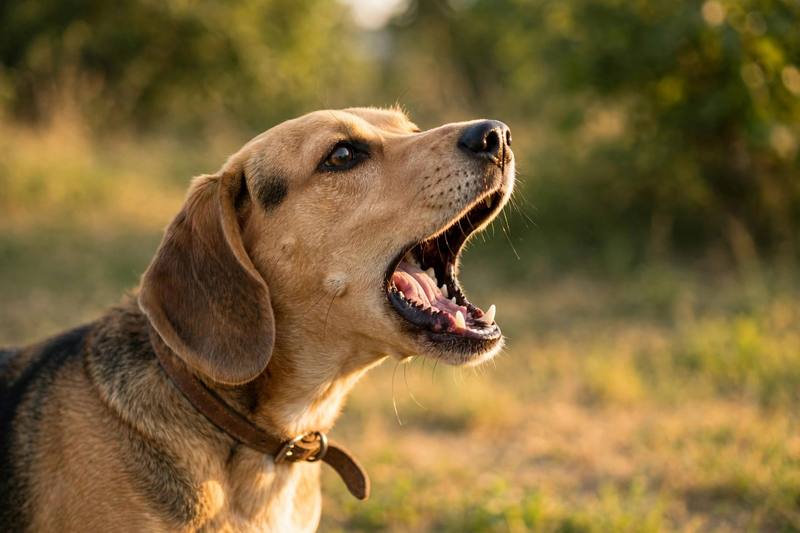
Dogs love to bark at anything that moves. When a dog starts to bark, everyone looks, and everyone laughs.
Before we go on, a quick word about the Muse English app. If you love learning words like these, the app gives you new words every day with photos and clear pronunciation, plus this podcast, shadowing stories, quizzes, grammar lessons, and a leaderboard where you collect points. It is free to install, and it makes a few minutes of English part of every day. Go and try it, and then come back to the show.
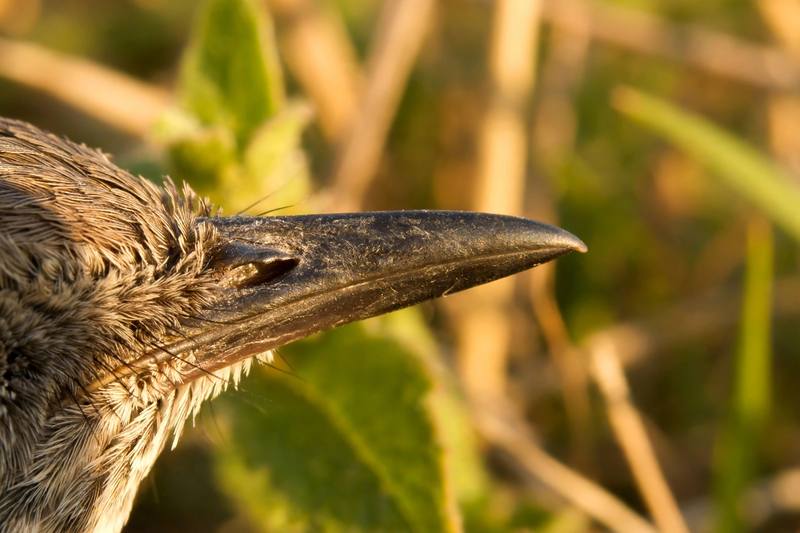
Back to the park. After the dog stopped barking, a robin landed on a bench near us, and it used its beak to pick up a crumb of bread.
A bird's beak is such a clever tool. With its beak, a bird can eat seeds, build a nest, and feed its babies.
The park was beautiful, but I could not stop thinking about the bigger picture, about nature and the environment.
Me too. For example, acid rain is a real problem for forests and lakes. Acid rain falls when pollution mixes with rain clouds, and acid rain can damage trees and old buildings.
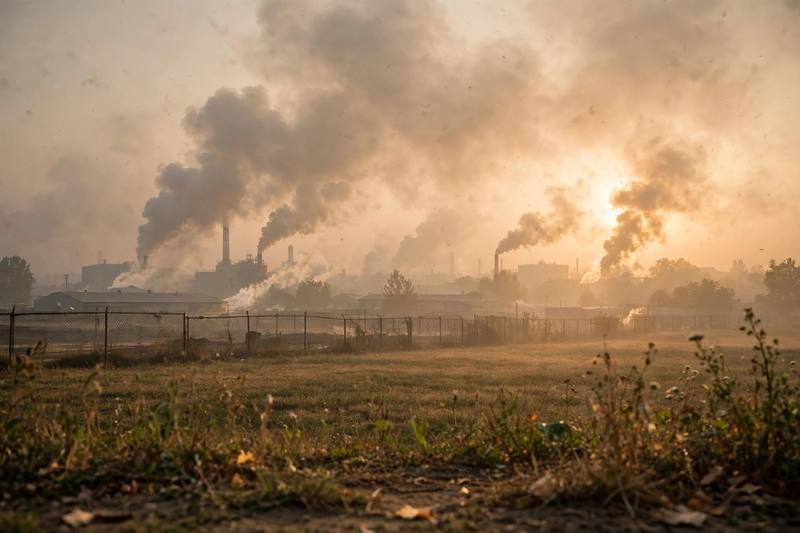
Yes, and acid rain is not the only problem. Air pollution is a big problem in cities. Air pollution comes from cars and factories, and air pollution makes it harder to breathe, especially for children and older people.
That is true. When air pollution is heavy, the whole city feels grey, and even the atmosphere of a beautiful park changes.
And animals feel it too. A bird with a hurt beak cannot eat well, and a dog that has to bark all day in a noisy, dirty street is not a happy dog.
And what about the baseball field? A bat is only fun when the air is clean and children can play outside for hours.
So protecting nature is really about protecting our health. That brings me to something important. Scientists who study health problems, from air pollution to diseases like AIDS, all say the same thing. Prevention is better than cure.
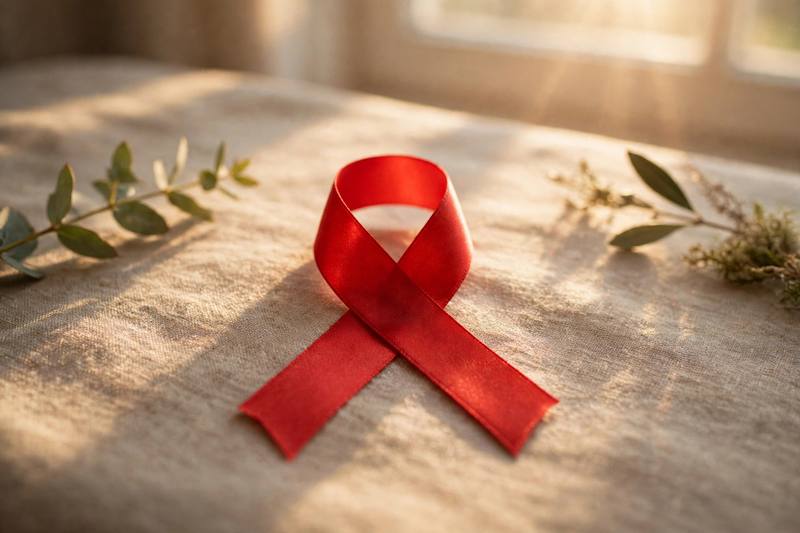
Research continues to find a cure for AIDS, and that research shows how science can protect life. Just like we fight air pollution, doctors fight AIDS with research, medicine, and education.
And education matters for the planet too. When people understand acid rain and air pollution, they make better choices, like walking instead of driving, or planting a tree in their garden.
Let me tell you about my grandmother's garden. She has a small garden behind her house, and the atmosphere there is peaceful, with flowers everywhere and birds visiting every morning.
That sounds wonderful. Do the birds use their beaks to eat from her bird feeder?
Yes, they do. One clever sparrow uses its beak to open seeds, and it eats breakfast right in front of the window.
And does a dog bark in her garden too?
Her neighbour's dog likes to bark at the postman, and it will bark at any stranger who walks past the gate.
And what about acid rain in her garden? Does she worry about it?
She does. She told me that acid rain damaged her roses one summer, and since then she collects rainwater and checks the weather. She also worries about air pollution from the road nearby.
It is good that she cares. Even a small garden can teach us about the planet. And a bat? Does anyone play baseball near her house?
Her grandson plays baseball in the street, and his bat is almost as tall as he is. He practises every evening after school.
That is a lovely picture. And what about AIDS? Why did we include that word today?
Because health is part of the environment too. The fight against AIDS reminds us that science, kindness, and education can change lives, just as they can change the planet.
Let me jump in with a little reminder about the Muse English app. Every day you get fresh words with photos and clear pronunciation, this podcast to listen to, shadowing stories to speak along with, quizzes to test yourself, grammar lessons, and points on the leaderboard as you learn. It is free, it is fun, and it fits into a busy day. Install it tonight and start tomorrow with us.
Now, what can ordinary people do? Small actions matter. If we walk or ride a bicycle instead of driving, we cut air pollution a little every day.
And if a city plants more trees, the trees clean the air, and the atmosphere of the whole neighbourhood feels fresher and calmer.
Trees also protect soil and birds. A bird needs a healthy forest to find food with its beak, and a forest needs clean rain, not acid rain.
That is a beautiful circle. Clean air, healthy trees, happy birds, and happy people. Even the dog that likes to bark will be happier in a clean, green park.
And the boy with his bat will play longer outside when the air is fresh. So the environment is not far away. It is the park, the garden, and the street where we live.
There are other small steps too. We can save water at home, switch off lights we do not need, and recycle paper, glass, and plastic.
Yes, and we can support clean energy. When homes use energy from the sun and the wind, factories burn less fuel, and air pollution goes down.
Communities can help as well. A neighbourhood clean-up day brings people together, and suddenly the atmosphere of the whole street feels proud and hopeful.
Schools can help too. When children learn about acid rain and air pollution early, they grow up caring about rivers, forests, and the air they breathe.
And caring is contagious. One family that plants a garden inspires the neighbours, and soon the whole street is greener, quieter, and full of birdsong.
Even the birds notice. A sparrow with a strong beak finds seeds easily in a green street, and a dog that used to bark at traffic can finally rest in the shade.
And researchers keep working on the big health questions too. The search for a cure for AIDS continues, and every discovery helps doctors protect millions of people around the world.
That is the same spirit as protecting nature. Science, patience, and care, whether the problem is AIDS, acid rain, or air pollution.
Let us look back at our seven words. Acid rain, AIDS, air pollution, atmosphere, bark, bat, and beak.
We heard about the lovely atmosphere of the park, the boy with his bat, the dog that liked to bark, and the robin with its clever beak.
And we talked about serious things too. Acid rain that damages trees, air pollution in our cities, and the research that continues to find a cure for AIDS.
Here are the words once more, in sentences you can repeat. Acid rain damages trees and buildings. Air pollution is a big problem in cities. The restaurant had a lovely atmosphere.
The dog started to bark loudly at the stranger. The baseball player swung his bat. The bird used its beak to eat seeds. Research continues to find a cure for AIDS.
Learning words is easier when they live in stories. So tell us, listeners, what is the atmosphere like in your favourite park? Have you ever seen a bird use its beak?
And do you worry about air pollution or acid rain where you live? Say your answers out loud. That is great speaking practice.
Before we finish, here is a small challenge for you. Try to use all seven words today. Tell a friend about acid rain, or describe the atmosphere of your favourite cafe.
You could say that your dog likes to bark at the postman, or that you saw a bird use its beak in the garden. If you play baseball, you already know what a bat is.
And you can talk about the news too. Air pollution affects every city, and research continues to find a cure for AIDS. These are serious topics, and English helps you discuss them.
That is the goal. English is not only for exams. It is for real life, real nature, and real conversations about the world we share.
Thanks for listening to Muse English. Keep learning, keep speaking, and we will see you tomorrow with seven brand new words.
Goodbye, everyone, and take care of our beautiful planet.
🎙 تمرین شدوئینگ نمونهٔ رایگان
گوش کنید و همزمان با صدا بلند تکرار کنید. تمرین کامل شدوئینگ در اپ است: هر جمله را تکرار میکنید و میبینید اپ چند کلمه از آن را تشخیص داده است.
Sara loved the small park near her home.
The atmosphere of the park in the morning was calm and fresh.
She walked past the baseball field where a boy practised with his bat.
صحبت کردن را تمرین کنید
در اپ Muse English همهٔ جملهها را شدوئینگ کنید. اپ گوش میدهد و نشان میدهد چند کلمه از جملهتان را تشخیص داده است.
📝گرامر: The Passive: Present and Past Simple
We use the passive when the action matters more than the person who does it. We also use it when we do not know who did it.
Form it with be + past participle. Use is/are for the present and was/were for the past.
Only be changes. The past participle stays the same, for example made, built, or written.
Use the passive for news, science, and processes. Acid rain is caused by pollution, and air pollution is measured in cities every day.
Use by only when the person matters. The atmosphere is studied by scientists, but never add by people
این گرامر را در اپ کامل یاد بگیرید
توضیح کاملتر، مثالهای بیشتر و تمرین تعاملی.
راهنمای کامل و تمرینها: The Passive: Present and Past Simple ←
هر روز ادامه بدهید
هر روز درس، پادکست و آزمون تازه؛ رایگان در اپ Muse English.