📅 2026-09-28📊 B2 Upper-Intermediate📚 20 new words🎧 daily podcast
📖 What is Muse English?
Muse English is a free English learning app with daily lessons across all 6 CEFR levels (A1 Beginner to C2 Proficient). Every day brings new vocabulary, a real podcast conversation, shadowing practice, grammar and quizzes — all at museenglishapp.com.
📚 Vocabulary
20 new wordsLearn new words with real examples and audio.
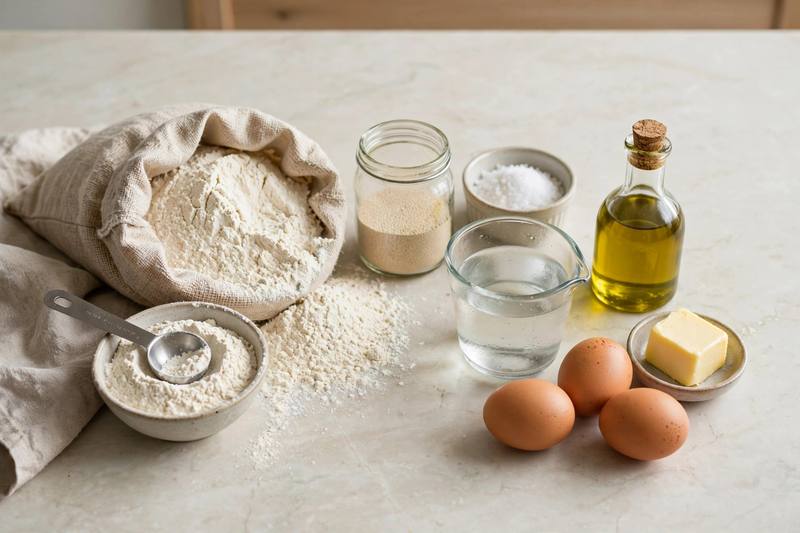
ingredient /in-GREE-dee-unt/
noun
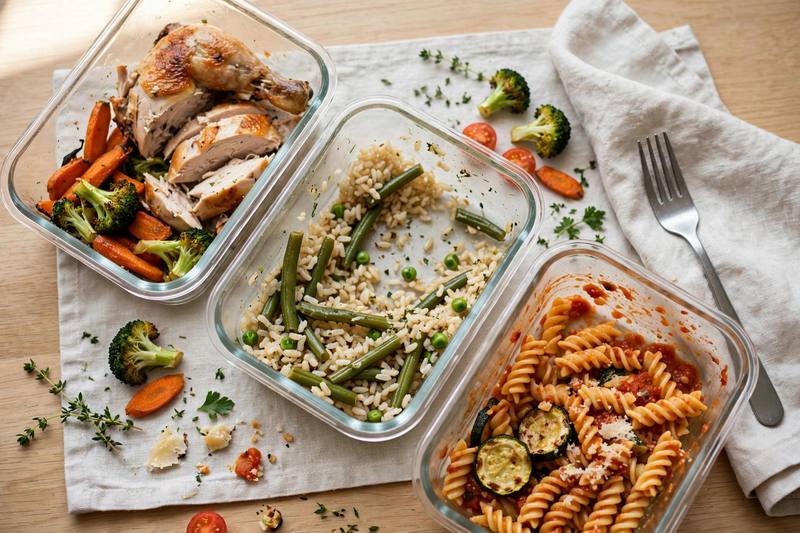
a food you use to cook something
"Flour is an important ingredient in bread."
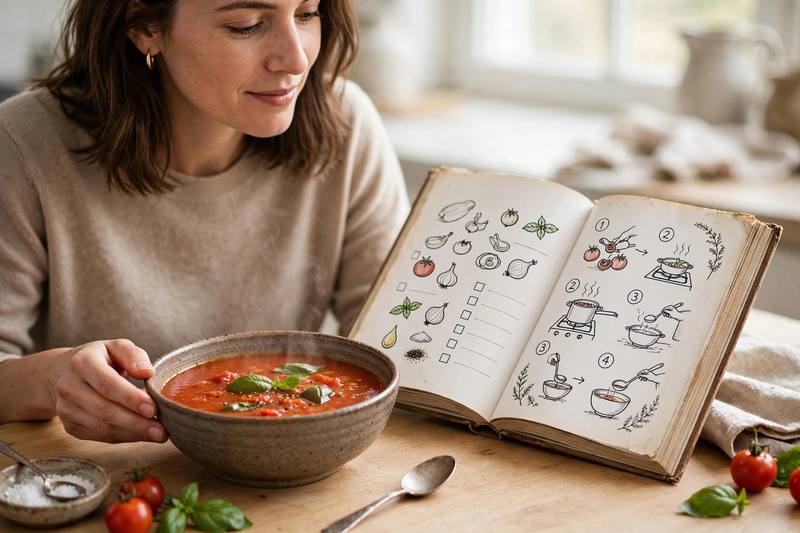
recipe /REH-suh-pee/
noun
written instructions for how to cook a dish
"She shared her recipe for tomato soup."
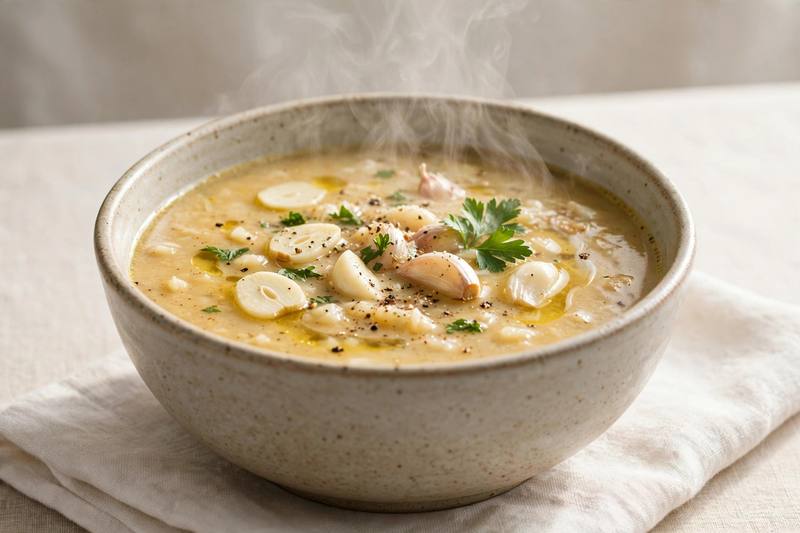
flavor /FLAY-vur/
noun
the taste of food or drink
"This soup has a rich flavor of garlic."
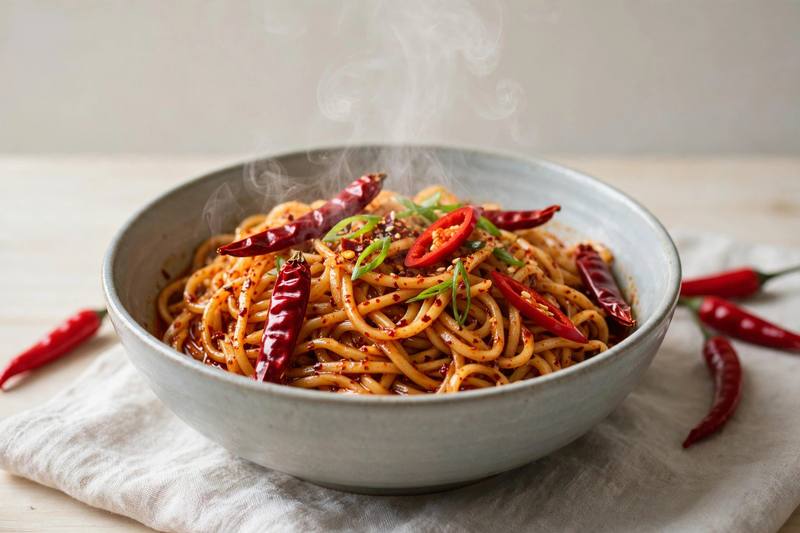
spicy /SY-see/
adjective
tasting hot or strong, like chili peppers
"I love spicy noodles, but they make me sweat."
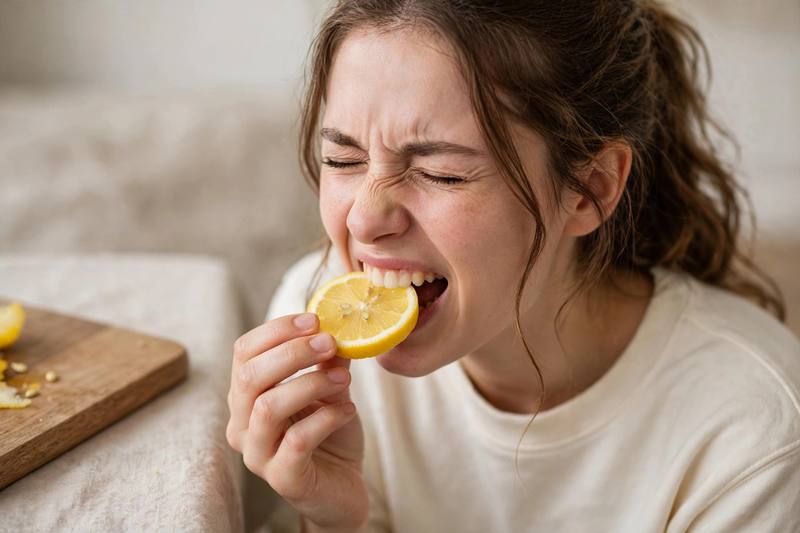
sour /SOW-ur/
adjective
tasting sharp and not sweet, like a lemon
"The milk went sour after a week in the fridge."
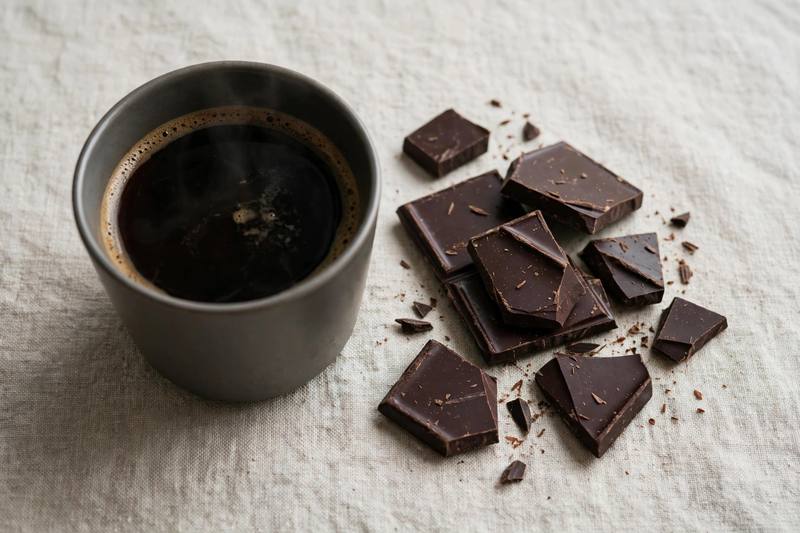
bitter /BIT-ur/
adjective
tasting strong and not sweet, like dark chocolate or black coffee
"His coffee was too bitter, so he added sugar."
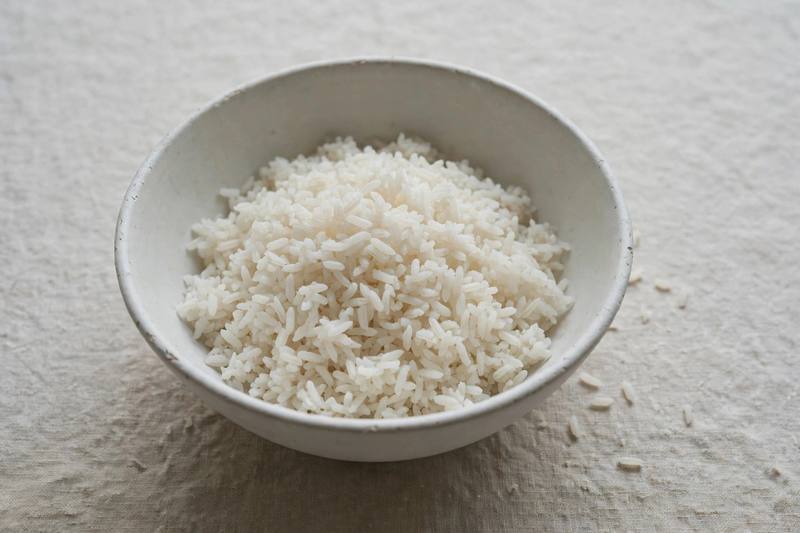
bland /BLAND/
adjective
not tasty; with no strong flavor
"The rice was bland, so I added some salt."
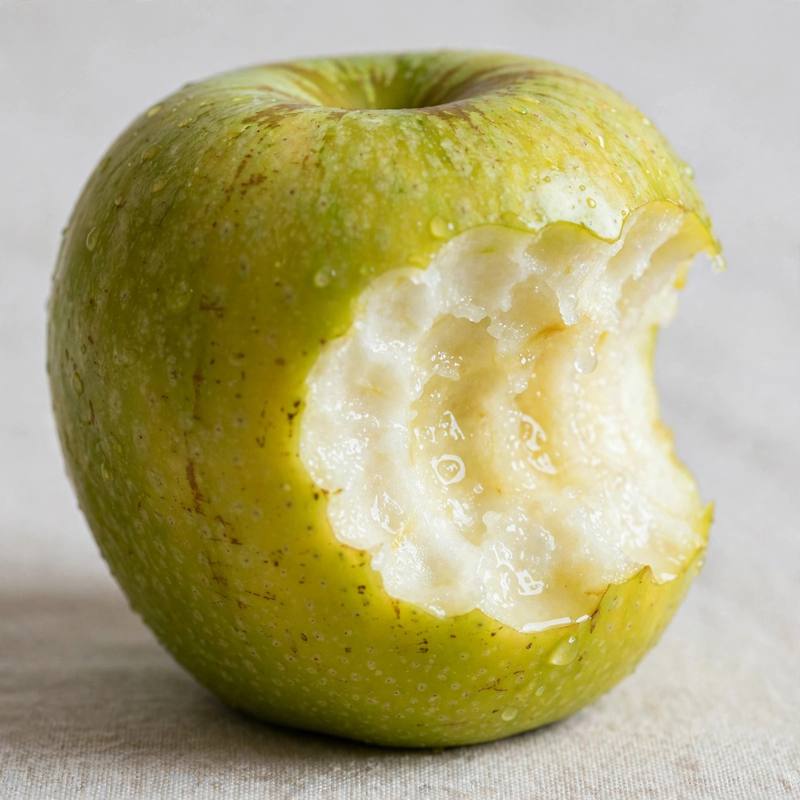
crunchy /KRUN-chee/
adjective
making a loud sound when you bite it, like a carrot or chips
"Fresh apples are crunchy and sweet."
tender /TEN-dur/
adjective
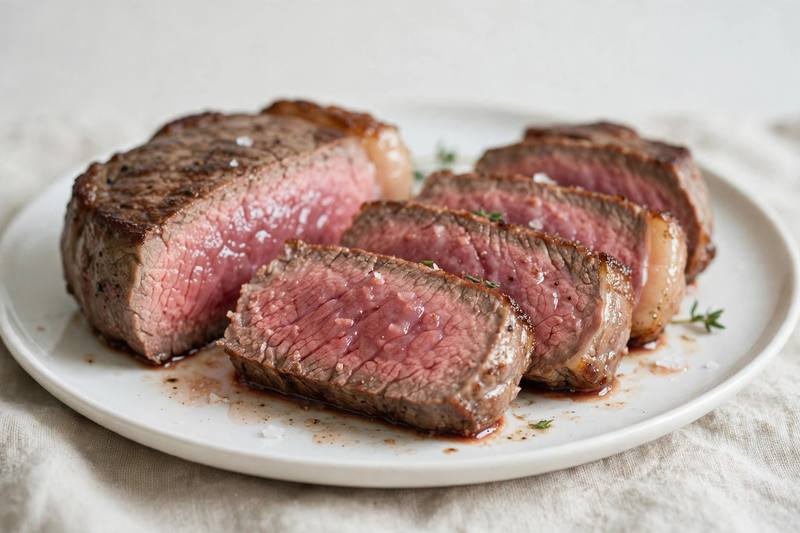
soft and easy to cut or chew
"The steak was tender and juicy."
simmer /SIM-ur/
verb
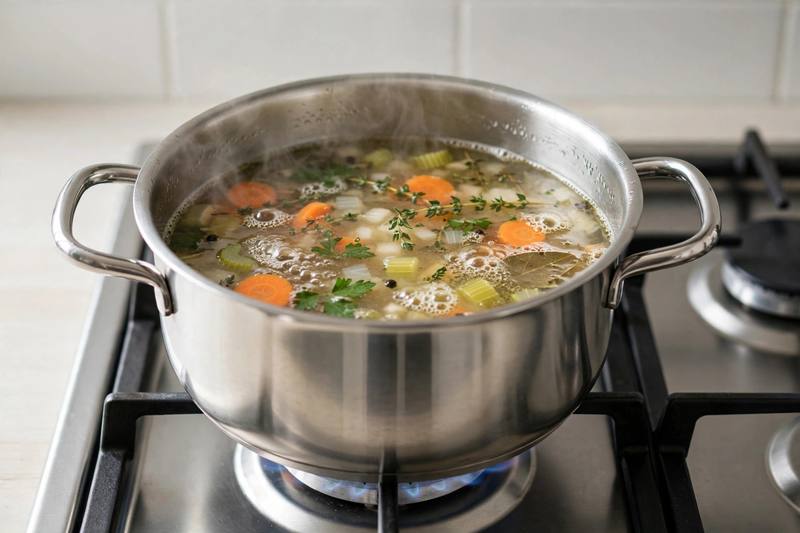
to cook slowly in hot liquid, just below boiling
"Simmer the soup for twenty minutes."
stir /STUR/
verb
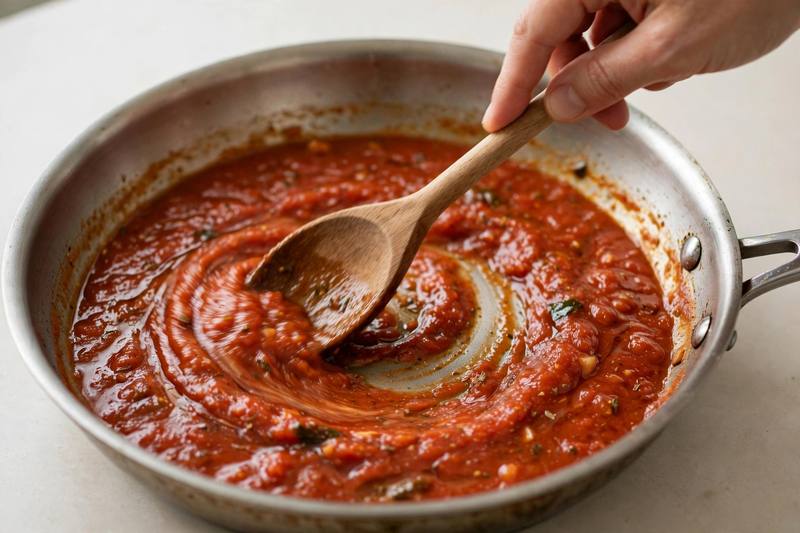
to mix food with a spoon in a circle
"Stir the sauce so it does not stick."
chop /CHOP/
verb
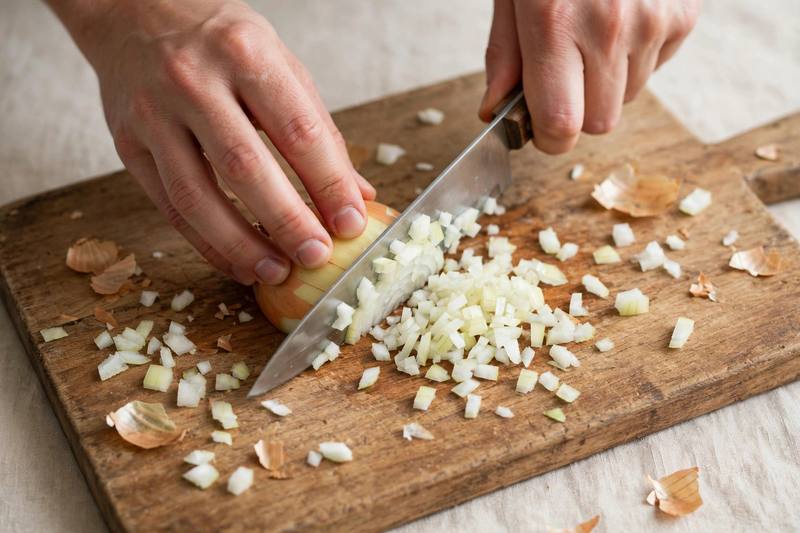
to cut food into small pieces with a knife
"Chop the onions before you add them."
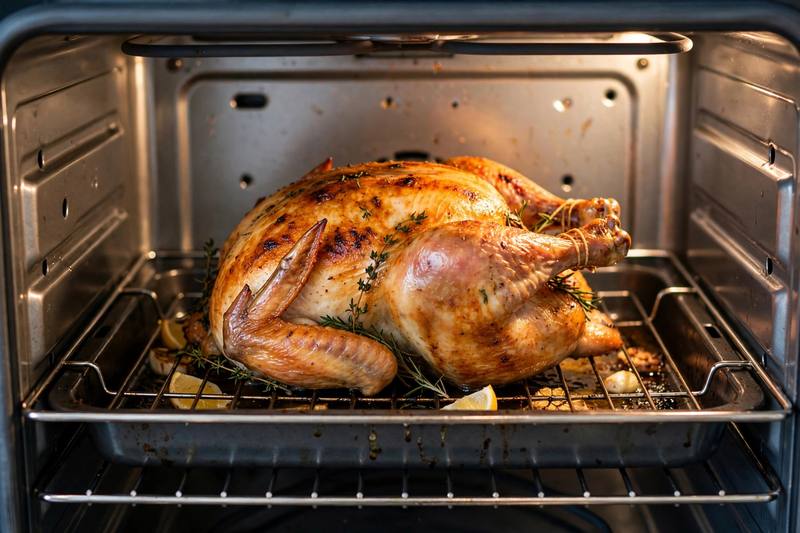
roast /ROHST/
verb
to cook meat or vegetables in a hot oven
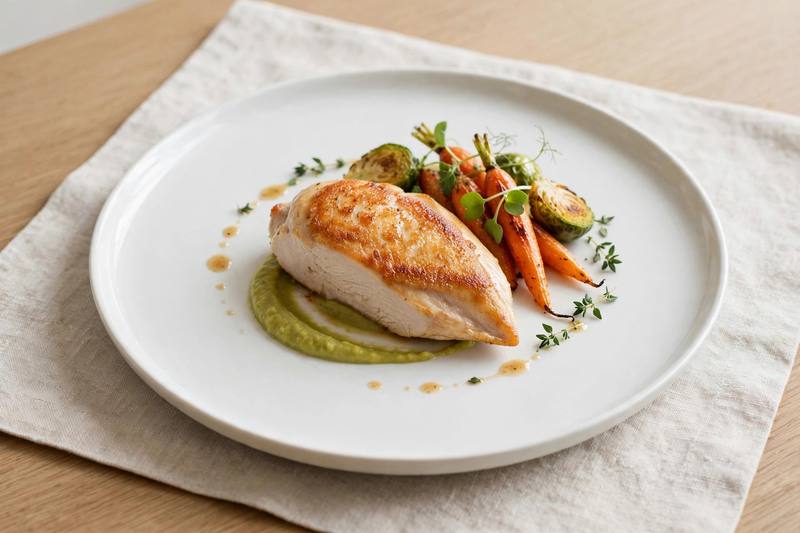
"We roasted chicken for Sunday dinner."
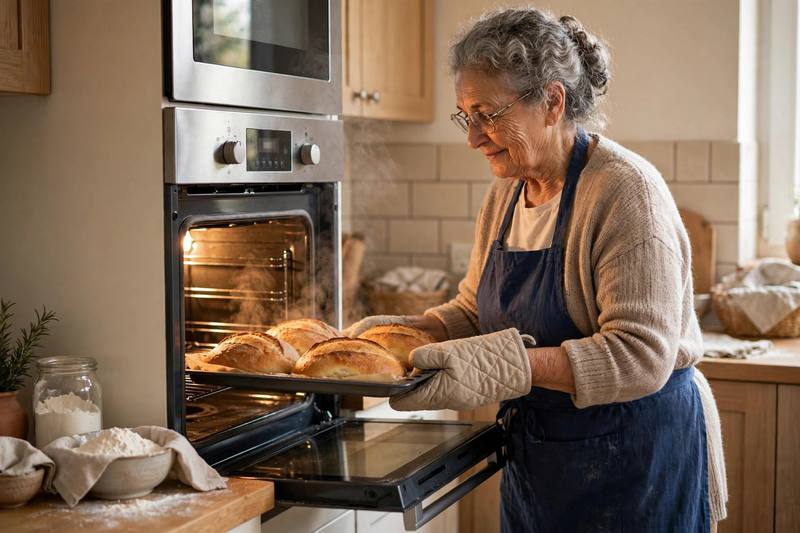
bake /BAYK/
verb
to cook in an oven, like bread or cake
"My grandmother bakes bread every Friday."
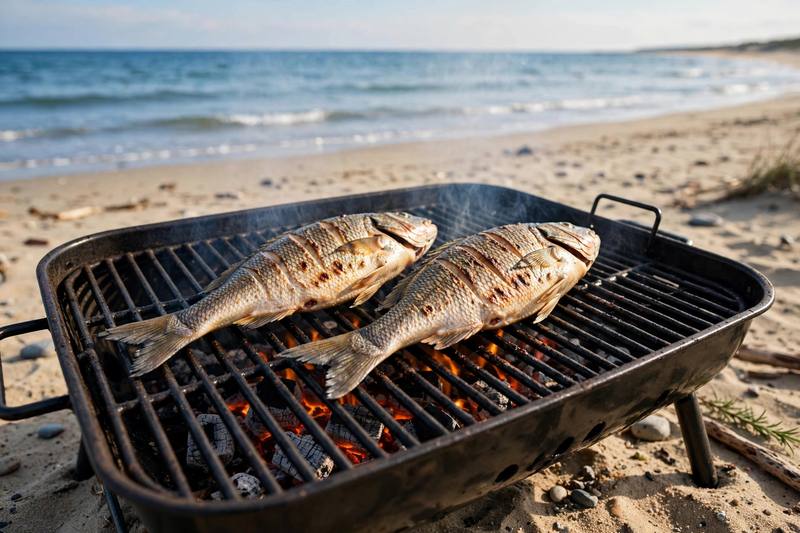
grill /GRIL/
verb
to cook food on hot metal bars over fire or heat
"They grilled fish on the beach."
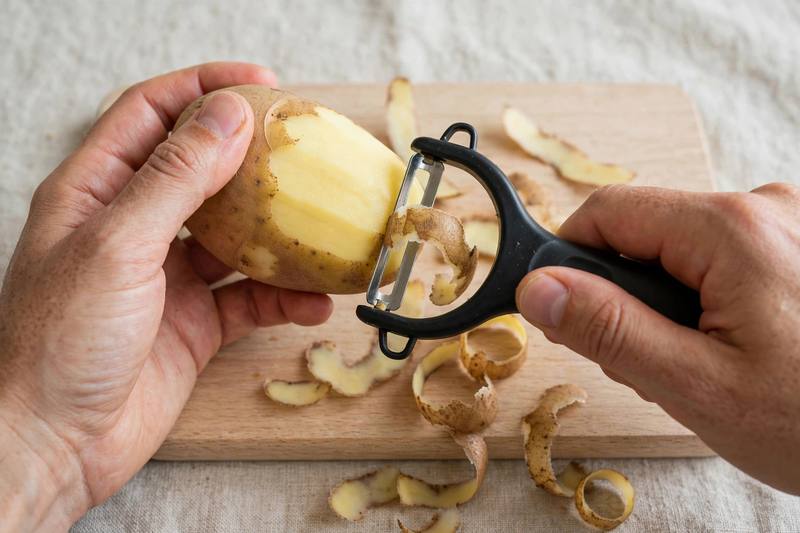
peel /PEEL/
verb
to take the skin off a fruit or vegetable
"Peel the potatoes before you boil them."
portion /POR-shun/
noun
the amount of food for one person
"The restaurant gives very large portions."
leftover /LEFT-oh-vur/
noun
food that remains after a meal
"We ate the leftovers for lunch the next day."
utensil /yoo-TEN-sil/
noun
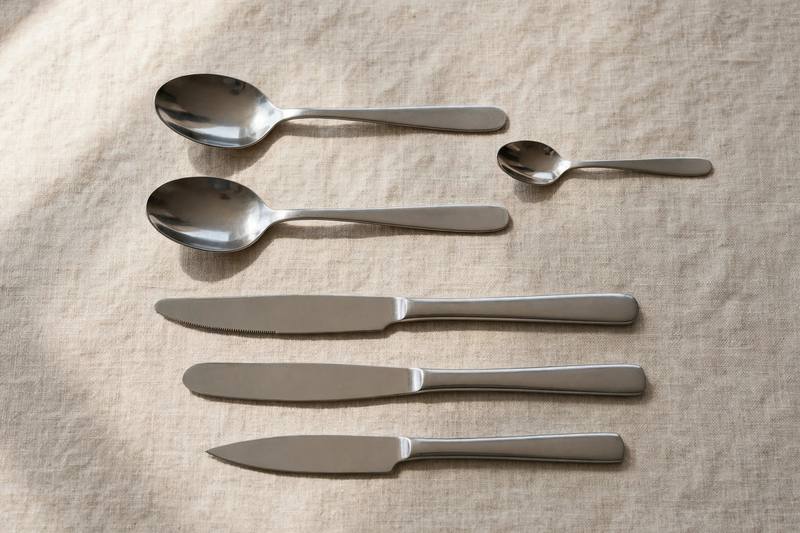
a tool you use to cook or eat, like a spoon or a knife
"This kitchen has all the utensils you need."
appetite /AP-uh-tyt/
noun
the feeling of wanting to eat
"The long walk gave us a big appetite."
🎧
Podcast: Food & Cooking
Listen to today’s conversation.
🎙
Train your speaking
Shadow every sentence with studio audio and get your pronunciation scored — only in the Muse English app.
📝Grammar: Possibility and probability: must / may / might / could
When you talk about how sure you are, English uses different modal verbs. Use must when you are almost 100 percent sure: it is a logical conclusion from what you see or know. Use may or might when it is 50-50: possible, but you are not sure. Use could for a weak possibility. For a negative conclusion use can't. Note: mustn't means 'not allowed', which is different. For the past, use must have plus the past participle.
Master this grammar in the app
Get clear explanations, more examples and interactive exercises.