📅 2026-09-27📊 B2 Upper-Intermediate📚 20 new words🎧 daily podcast
📖 What is Muse English?
Muse English is a free English learning app with daily lessons across all 6 CEFR levels (A1 Beginner to C2 Proficient). Every day brings new vocabulary, a real podcast conversation, shadowing practice, grammar and quizzes — all at museenglishapp.com.
📚 Vocabulary
20 new wordsLearn new words with real examples and audio.
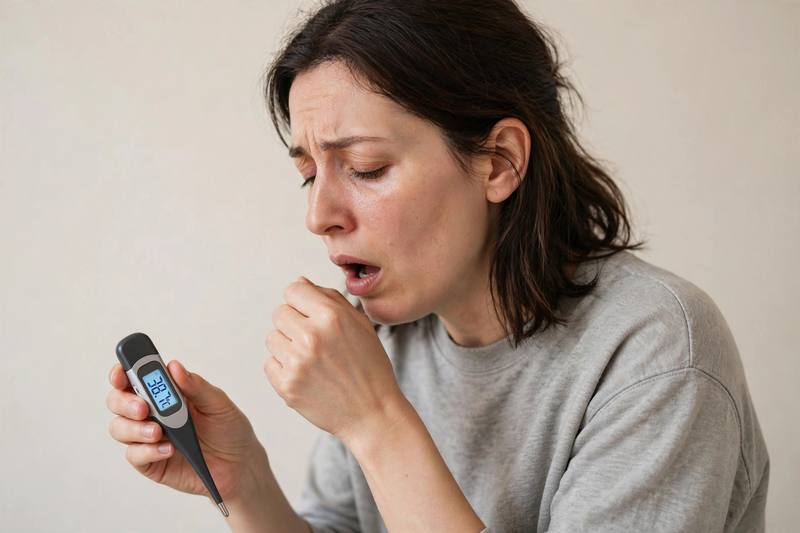
symptom /SIMP-tum/
noun
a sign that you are sick, like a cough or a fever
"A fever is a common symptom of the flu."
prescription /pruh-SKRIP-shun/
noun
a doctor's written order for medicine
"You need a prescription to buy this medicine."
dosage /DOH-sij/
noun
the amount of medicine you should take at one time
"The correct dosage is written on the bottle."
strain /STRAYN/
verb
to hurt a muscle by using it too much
"She strained her back lifting a heavy box."
sprain /SPRAYN/
verb
to twist a joint painfully
"He sprained his ankle playing soccer."
chronic /KRON-ik/
adjective
continuing for a long time, usually about a sickness
"He suffers from chronic back pain."
hygiene /HY-jeen/
noun
keeping yourself and your things clean
"Good hygiene stops the spread of germs."
nutrient /NOO-tree-unt/
noun
a healthy part of food that your body needs
"Fruit has nutrients like vitamins."
posture /POS-chur/
noun
the way you sit or stand
"Good posture helps your back stay healthy."
immunity /ih-MYOO-nuh-tee/
noun
when your body can fight off a sickness
"Enough sleep gives your immunity a boost."
allergic /uh-LUR-jik/
adjective
when your body reacts badly to something
"She is allergic to peanuts."
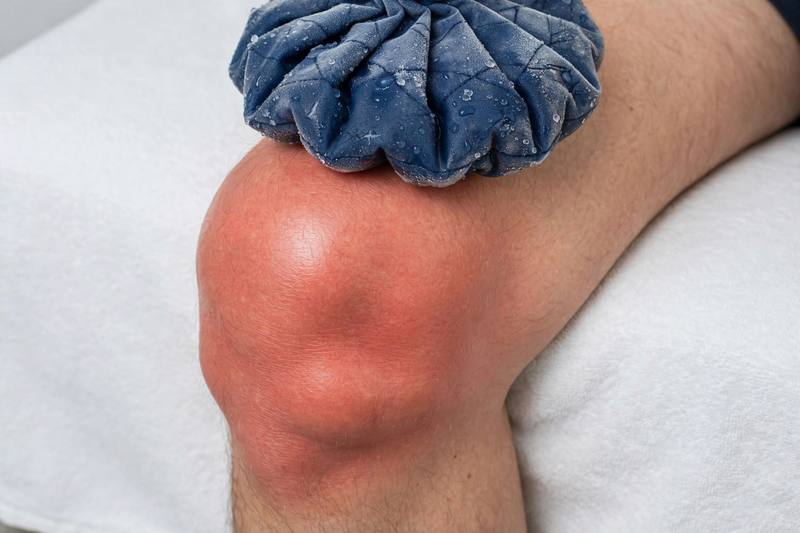
inflammation /in-fluh-MAY-shun/
noun
red, warm swelling in the body
"Ice can reduce inflammation in a sore knee."
endurance /en-DOOR-uhns/
noun
the ability to keep going for a long time
"Running builds endurance."
flex /FLEX/
verb
to tighten a muscle
"He flexed his arm to show the muscle."
sore /SOR/
adjective
painful, often in a muscle
"My legs are sore after the gym."
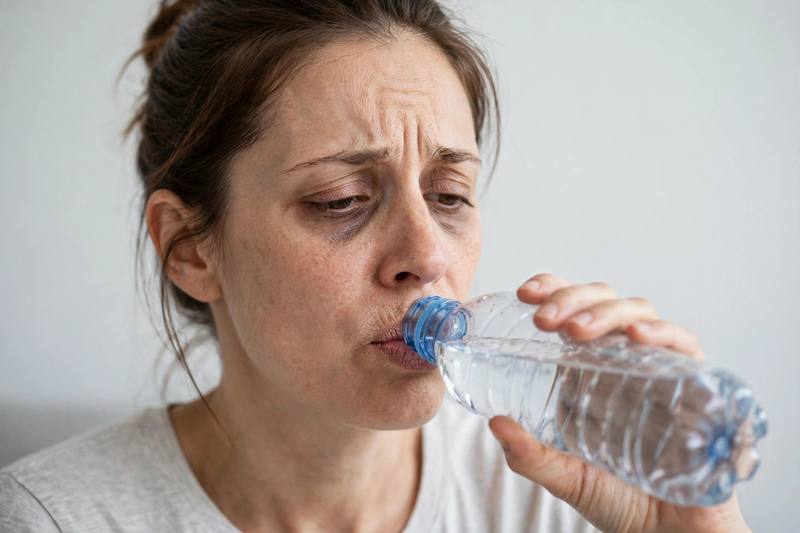
dehydrated /dee-HY-dray-tud/
adjective
when your body does not have enough water
"Drink water so you don't get dehydrated."
recover /rih-KUV-ur/
verb
to get healthy again after being sick
"It took a week to recover from the cold."
diagnose /DY-ug-nohs/
verb
when a doctor finds out what sickness you have
"The doctor diagnosed him with the flu."
vaccine /vak-SEEN/
noun
a shot that protects you from a sickness
"Children get a vaccine against measles."
metabolism /muh-TAB-uh-liz-um/
noun
how your body turns food into energy
"Exercise can speed up your metabolism."
🎧
Podcast: Health & Body
Listen to today’s conversation.
🎙
Train your speaking
Shadow every sentence with studio audio and get your pronunciation scored — only in the Muse English app.
Use the present perfect with 'for' and 'since' for things that started in the past and are still true now. Use 'for' with a period of time: 'for ten years.' Use 'since' with a starting point: 'since 2009.' Use the present perfect continuous (have / has been + verb-ing) for actions that started in the past and continue now: 'How long have you been learning English?' We also use it for continuous actions that just finished when we can see the result: 'Your eyes are red - have you been crying?' Do not use the continuous with state verbs like 'know': say 'I've known him for years.'
Master this grammar in the app
Get clear explanations, more examples and interactive exercises.