📅 2026-09-25📊 B2 Upper-Intermediate📚 20 new words🎧 daily podcast
📖 What is Muse English?
Muse English is a free English learning app with daily lessons across all 6 CEFR levels (A1 Beginner to C2 Proficient). Every day brings new vocabulary, a real podcast conversation, shadowing practice, grammar and quizzes — all at museenglishapp.com.
📚 Vocabulary
20 new wordsLearn new words with real examples and audio.
destination /dest-uh-NAY-shun/
noun
the place you are traveling to
"Paris is a popular destination for tourists."
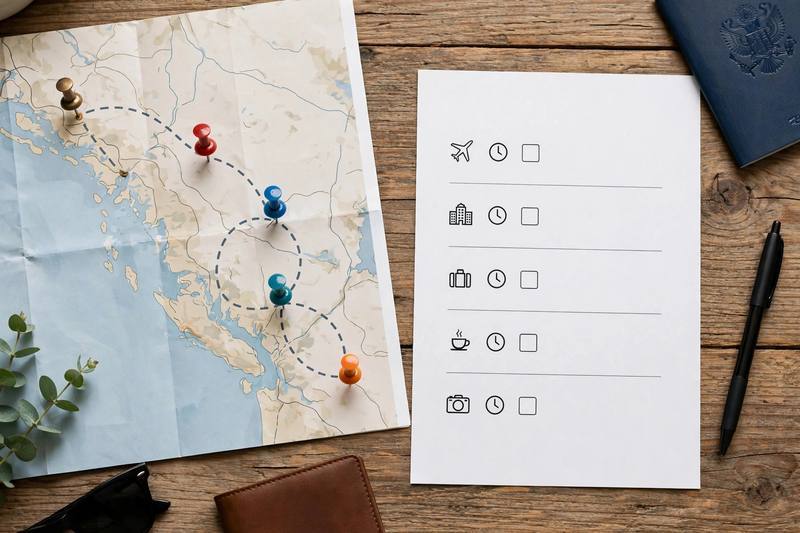
itinerary /eye-TIN-uh-rer-ee/
noun
a plan of a trip with places and times
"Our itinerary includes three cities and five museums."
accommodation /uh-kom-uh-DAY-shun/
noun
a place to stay, like a hotel
"We booked accommodation near the beach."
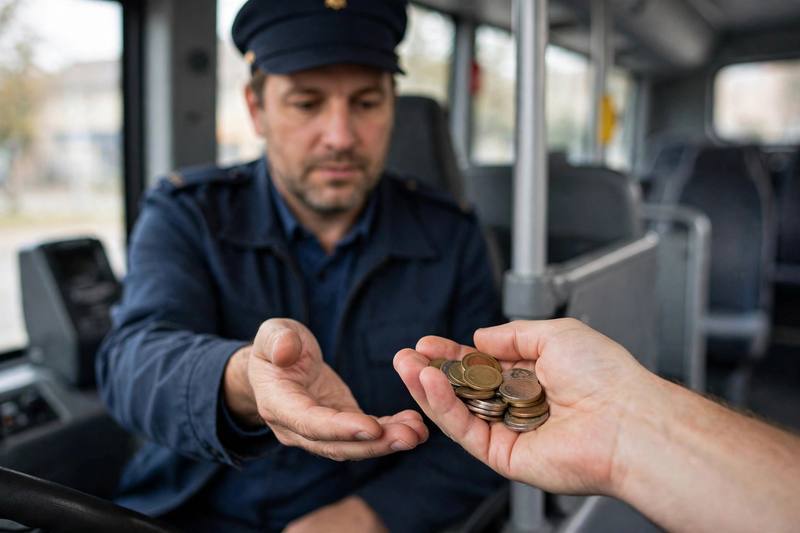
fare /FAIR/
noun
the money you pay to travel by bus, train, or plane
"The bus fare is only two dollars."
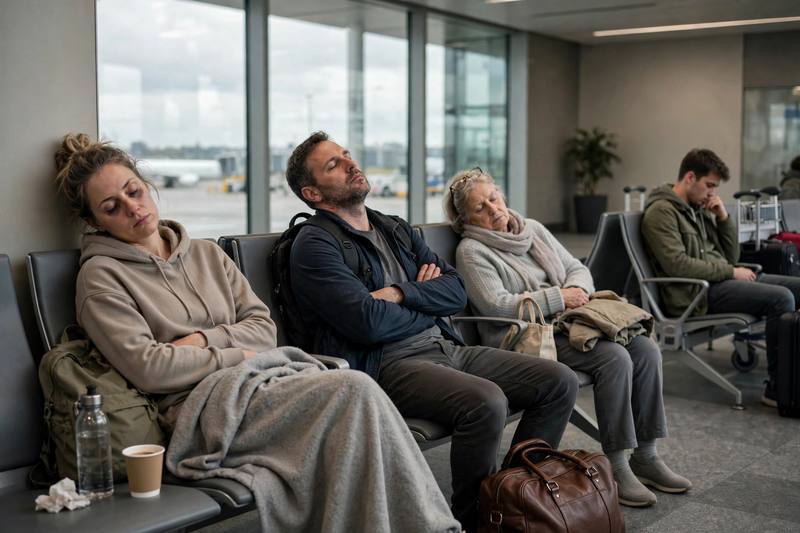
delay /dih-LAY/
noun
when something happens later than planned
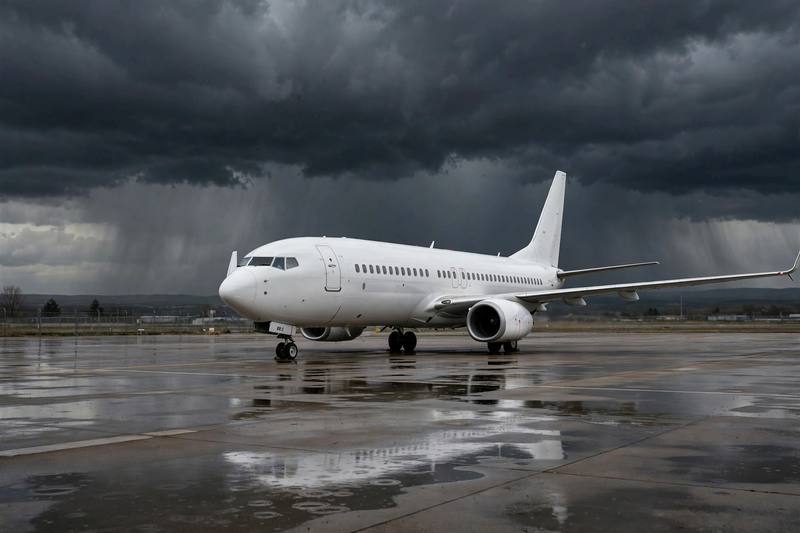
"Our flight had a two-hour delay."
commute /kuh-MYOOT/
verb
to travel between home and work every day
"She commutes to work by train."
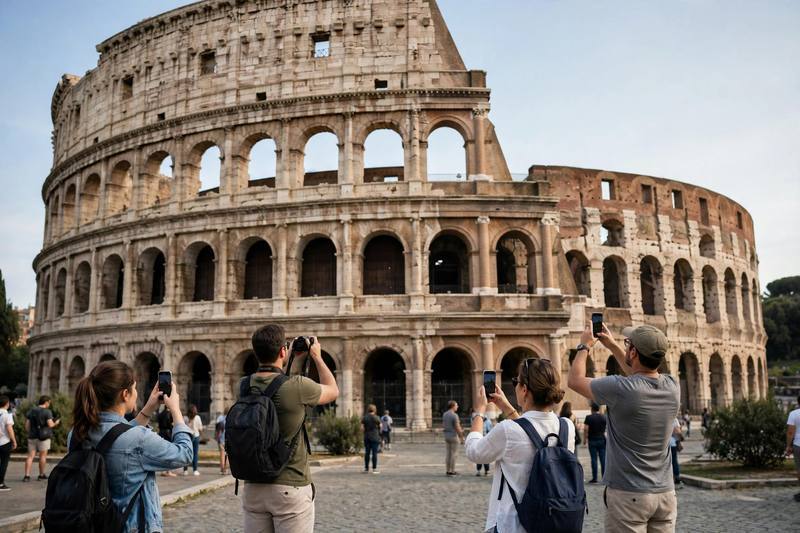
landmark /LAND-mark/
noun
a famous building or place that people visit
"The Eiffel Tower is a famous landmark."
baggage /BAG-ij/
noun
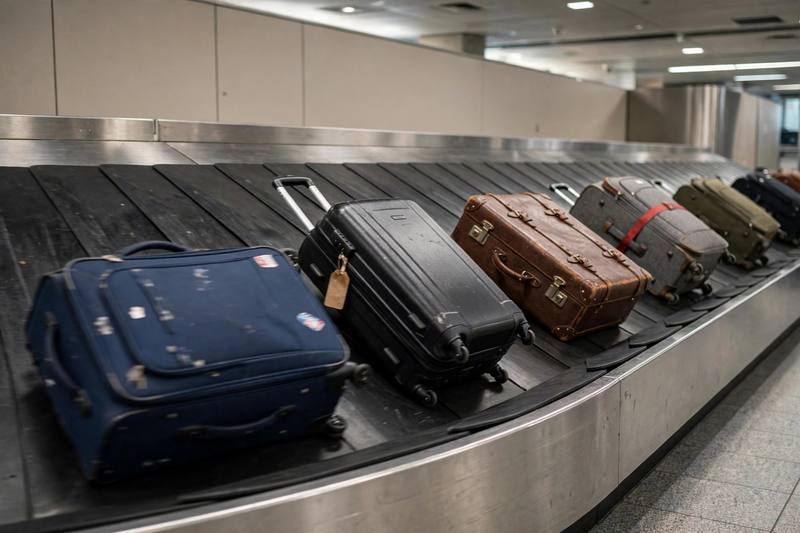
the bags you take with you when you travel
"Please check your baggage at the counter."
voyage /VOY-ij/
noun
a long trip by ship or in space
"The voyage across the ocean took ten days."
customs /KUS-tumz/
noun
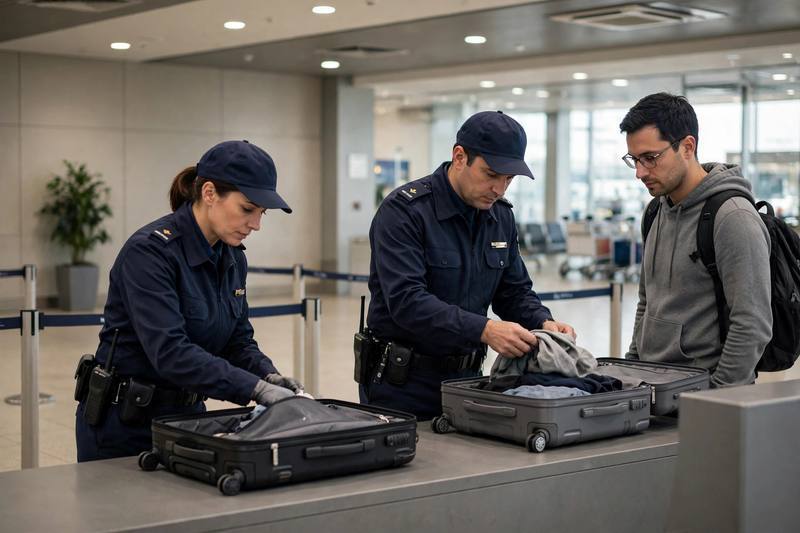
the office at a border that checks your bags
"We went through customs at the airport."
platform /PLAT-form/
noun
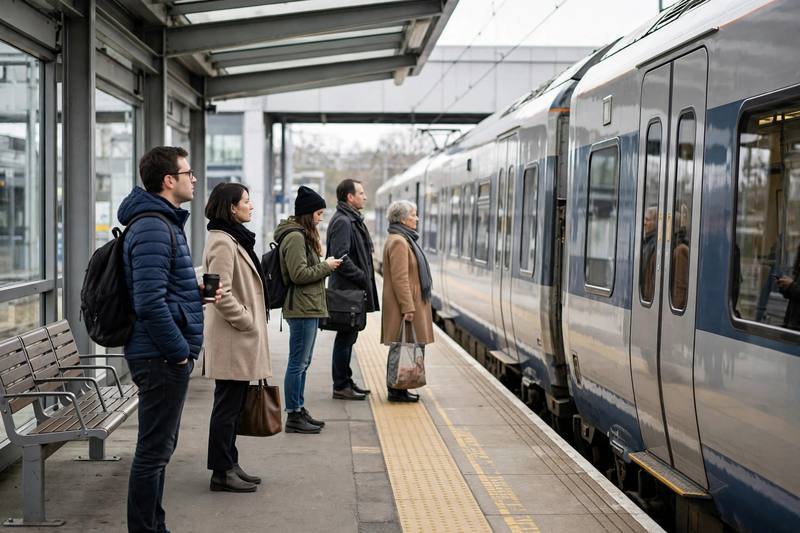
the raised place where you wait for a train
"The train leaves from platform three."
layover /LAY-oh-ver/
noun
a short stop between two flights
"We have a three-hour layover in Istanbul."
embark /em-BARK/
verb
to get on a ship or plane to start a trip
"We embark on our journey tomorrow morning."
postpone /post-POHN/
verb
to move something to a later time
"They postponed the flight because of the storm."
navigate /NAV-uh-gayt/
verb
to find your way to a place
"We used a map to navigate the old city."
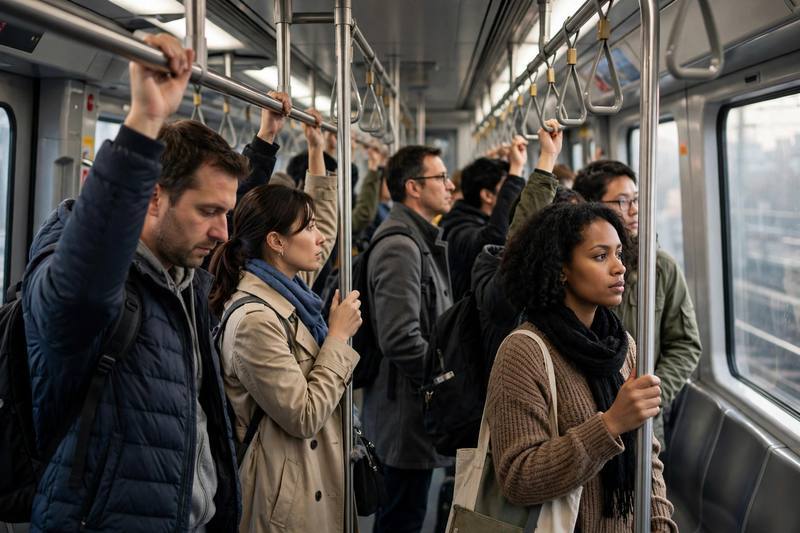
congested /kun-JEST-ed/
adjective
full of traffic or people, hard to move through
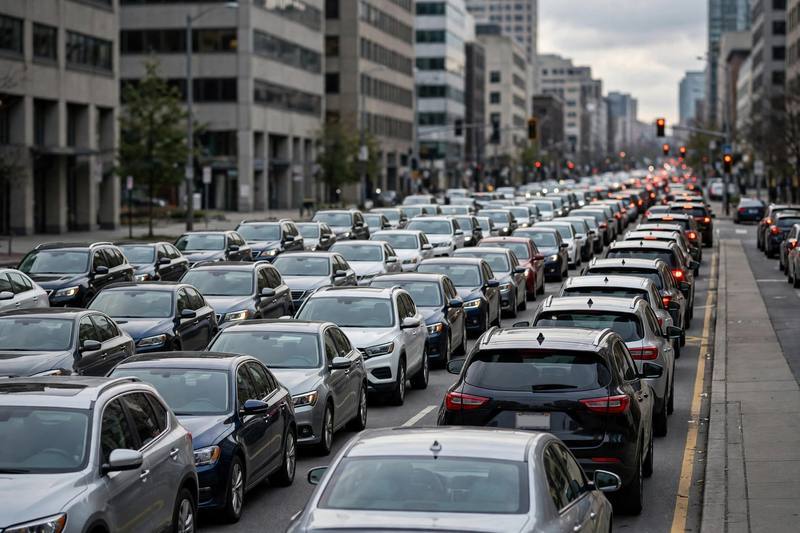
"The road was congested during rush hour."
spacious /SPAY-shus/
adjective
big, with lots of space inside
"The hotel room was spacious and bright."
breathtaking /BRETH-tay-king/
adjective
very beautiful and amazing
"The view from the mountain was breathtaking."
punctual /PUNK-choo-ul/
adjective
arriving exactly on time
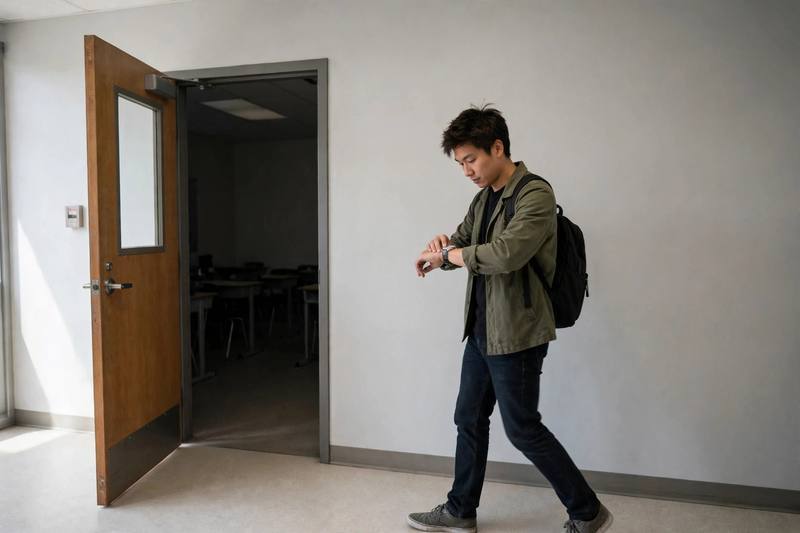
"He is always punctual for his classes."
scenic /SEE-nik/
adjective
with beautiful natural views
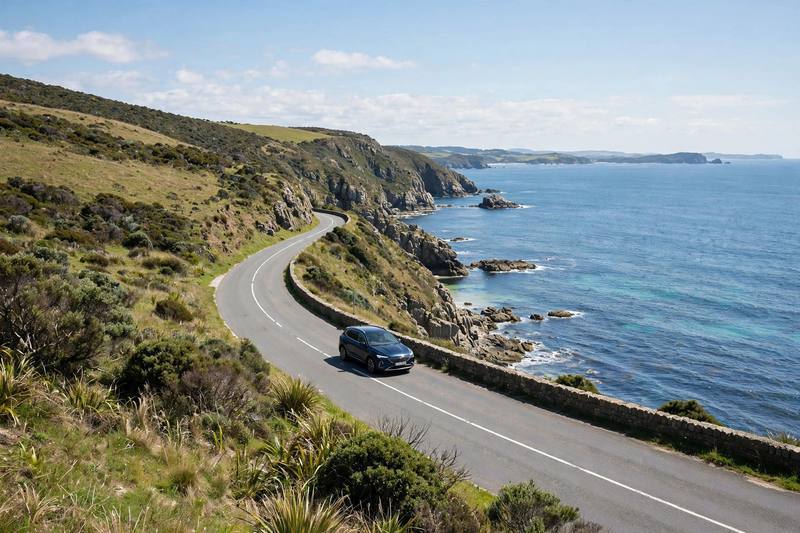
"We drove along a scenic road by the sea."
🎧
Podcast: Travel & Transport
Listen to today’s conversation.
🎙
Train your speaking
Shadow every sentence with studio audio and get your pronunciation scored — only in the Muse English app.
📝Grammar: 1B: Future forms - present continuous, be going to, will / won't
We use 'be going to' for future plans we have already decided: 'I'm going to take a Spanish course.' We also use it for predictions when we can see what is about to happen: 'Look at the sky! It's going to rain.' We use the present continuous for future arrangements, often with verbs of movement or meeting people: 'I'm meeting Tom at 8.00.' We use 'will' for instant decisions made while speaking: 'I'll get the phone.' We also use 'will' for promises ('I won't tell anybody'), offers ('I'll carry your bag'), and predictions. For suggestions and offers as questions, use 'shall': 'Shall I help you?
Master this grammar in the app
Get clear explanations, more examples and interactive exercises.