
📖 What is Muse English?
Muse English is a free English learning app with daily lessons across all 6 CEFR levels (A1 Beginner to C2 Proficient). Every day brings new vocabulary, a real podcast conversation, shadowing practice, grammar and quizzes — all at museenglishapp.com.
📚 Vocabulary
10 new words Learn new words with real examples and audio.




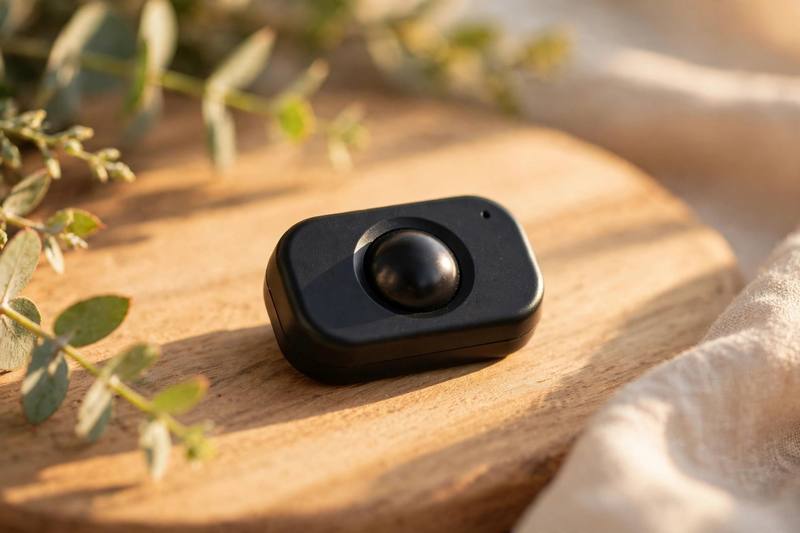
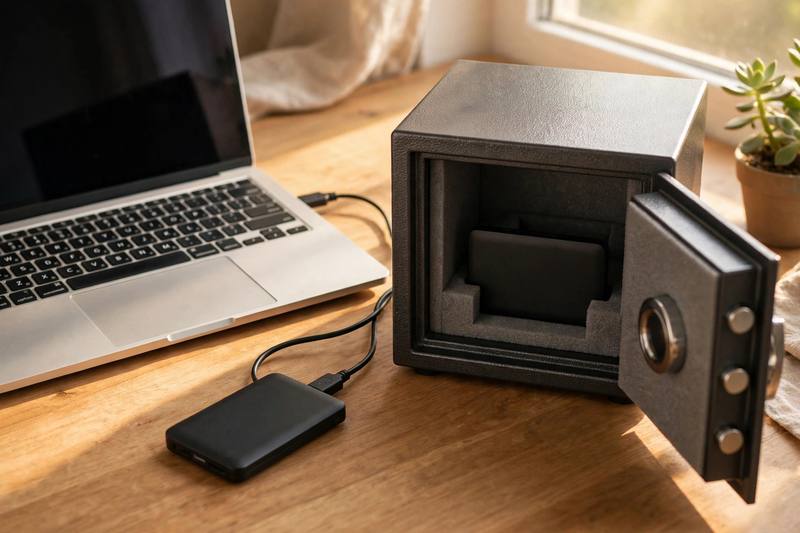
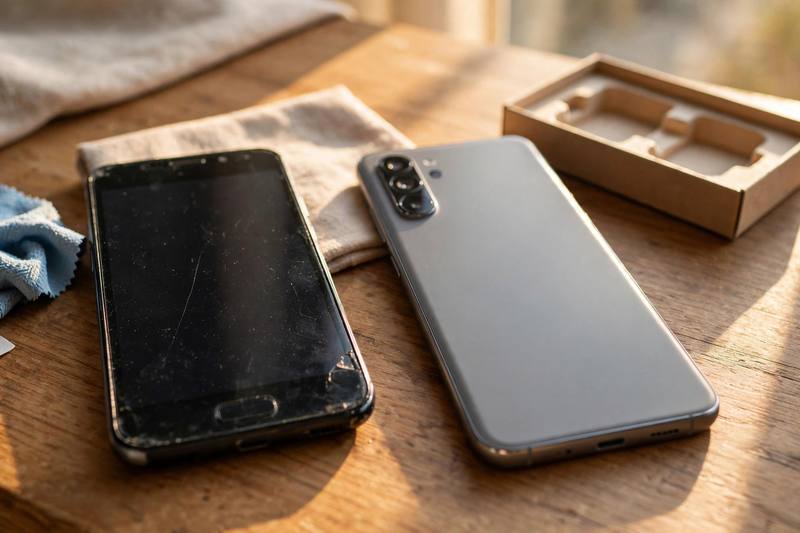


Podcast: Everyday Technology
Listen to today’s conversation.
Train your speaking
Shadow every sentence with studio audio and get your pronunciation scored — only in the Muse English app.
📝Grammar: 2A: Present perfect and past simple
The **present perfect** is formed with **have/has + past participle**. Use it for past experiences when you do not say exactly when they happened. I have tested a cleaning robot at home, and I have never used an interface this simple before. Use the **present perfect** for recent actions that have a result now. It goes with **yet**, **already**, and **just**. She has just made a backup of her files. Have you upgraded your phone yet? Use the **past simple** for finished actions when you say or know when they happened. I installed a sensor in my hallway last week. The company released the big
Master this grammar in the app
Get clear explanations, more examples and interactive exercises.
❓ Frequently Asked Questions
What level is this Everyday Technology lesson?
This is a B2 Upper-Intermediate (B2) English lesson from Muse English's daily series on 2026-09-19.
How can I practice speaking?
Use the shadowing feature in the free Muse English app — listen to each sentence, repeat it, and get your pronunciation scored.
Is Muse English free?
Yes. Daily lessons, podcasts, vocabulary, shadowing practice and quizzes are free at museenglishapp.com.
How many words will I learn?
This lesson teaches 10 new words with photos, meanings, examples and pronunciation audio.
Keep learning every day
New lessons, podcasts and quizzes daily — free in the Muse English app.