
📖 Muse English چیست؟
Muse English یک اپلیکیشن رایگان آموزش زبان انگلیسی است، با درس روزانه برای هر شش سطح، از A1 (مبتدی) تا C2 (تسلط کامل). هر روز لغتهای تازه با معنی فارسی، یک پادکست واقعی، تمرین شدوئینگ، گرامر و آزمون دارید. دربارهٔ اپ
📚 لغتها
۷ لغت تازه لغتهای تازه با معنی فارسی، مثال واقعی و تلفظ.
پادکست: مسکن و اجاره
گفتوگوی امروز را گوش کنید.
📝 متن پادکست
Welcome to Muse English! I'm Maya.
And I'm Lena. Today we have a story about a very exciting day, moving into a new home.
That's right. Our friend Sara just rented her first apartment, and everything in it was new to her.
She told me she felt happy and a little nervous at the same time. A new place means a new start.
Let's follow her through her first day. It started in the bathroom. She turned on the tap, and water came out. She laughed, because the tap was shiny and brand new, and she had never had her own tap before.
I love that feeling. She filled a glass of water from the tap and drank it. Then she washed her face, and the tap dripped a little after she turned it off.
She told herself, if the tap keeps dripping, I will call the landlord. But a minute later the tap stopped, and she smiled.
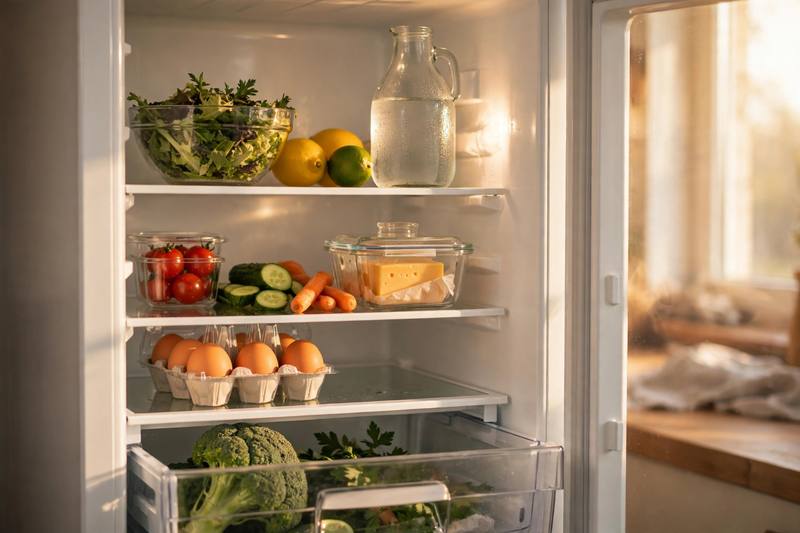
Next she went to the kitchen. The fridge was big and empty, and she opened it three times just to look inside. She said an empty fridge is full of hope.
I know that feeling! Then she went shopping and filled the fridge with milk, eggs, and fruit. That night the fridge was full, and she felt proud.
But the next morning she opened the fridge and saw the milk was warm. Oh no, she said, the fridge is broken! She panicked, but then she saw the plug. The fridge was not broken, it was just not plugged in.
She laughed at herself. She plugged in the fridge, and an hour later the fridge was cold again. Now she checks the fridge every morning, just to be sure.
Quick break. Do you have the Muse English app on your phone yet? Every day you get new words with real photos and clear pronunciation, plus this podcast, fun shadowing stories, quizzes, and grammar lessons. You earn points, climb the leaderboard, and learn a little more every single day. It is free, it is fun, and it makes English a daily habit. Search for Muse English and start learning today!
We are back with Sara's moving day. The tap works and the fridge is cold. What is next?
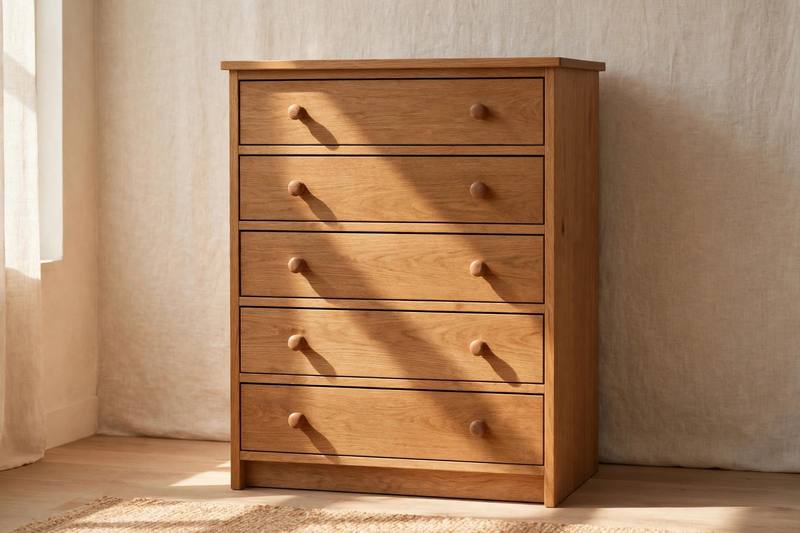
Next she unpacked her clothes. She opened the chest of drawers in her bedroom. It had four drawers, and each drawer was clean and empty.
She put her shirts in the top drawer of the chest of drawers, and her socks in the bottom drawer. She said a chest of drawers keeps everything tidy.
Her mother called and said, did you buy a new chest of drawers? And Sara said, no! The chest of drawers was already in the apartment. It came with the rent.
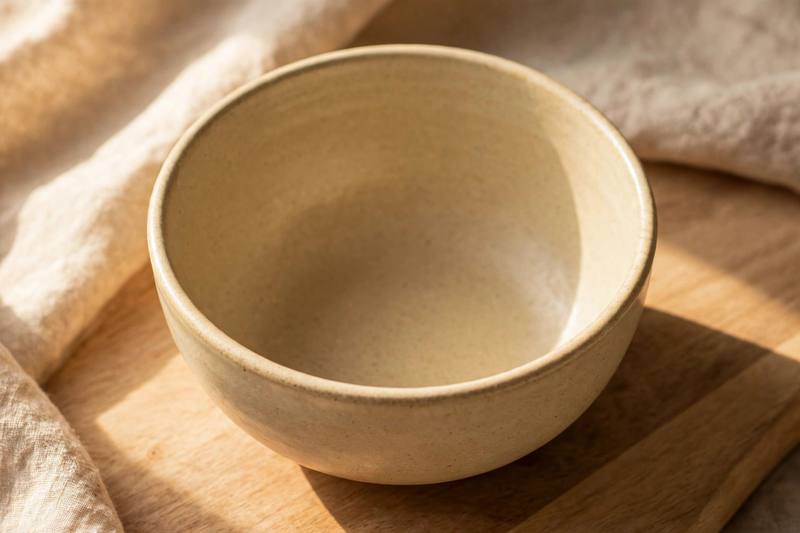
Then she made lunch. She took a big bowl from the cupboard, and she made soup. She ate the soup from the bowl while she sat on the floor, because she had no table yet.
Eating from a bowl on the floor, that is a real moving day memory! Later her friend brought a small table, and she put the bowl on the table like a queen.
She washed the bowl after lunch and put it back. She said, a bowl is simple, but a bowl makes a house feel like home.
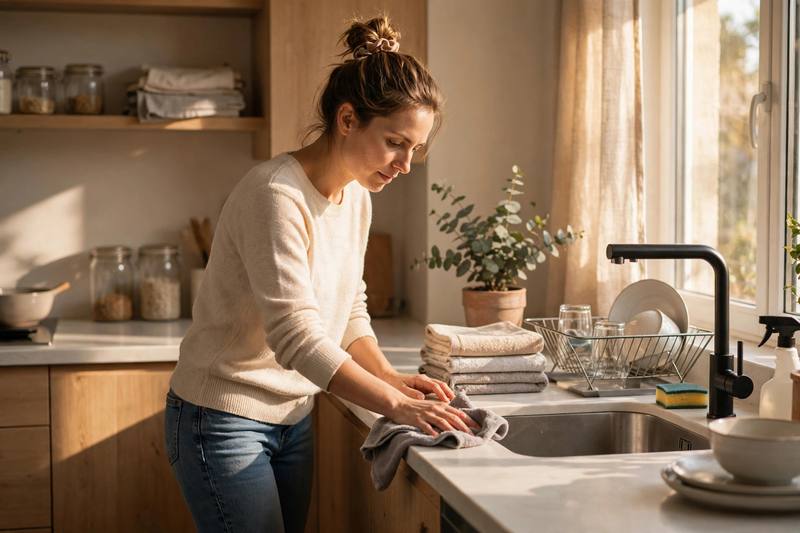
That evening, her mother visited. She looked around and said, Sara, when will you do housework? This place needs love. Sara laughed. I will do housework on Saturday, I promise.
On Saturday she woke up early to do housework. She cleaned the floors, washed the windows, and put everything in its place. To do housework in your own home feels different, she said, it feels good.
Her mother came back on Sunday, looked around, and said, you did not do housework, you made magic. Sara smiled. Doing housework together is their new Sunday plan.
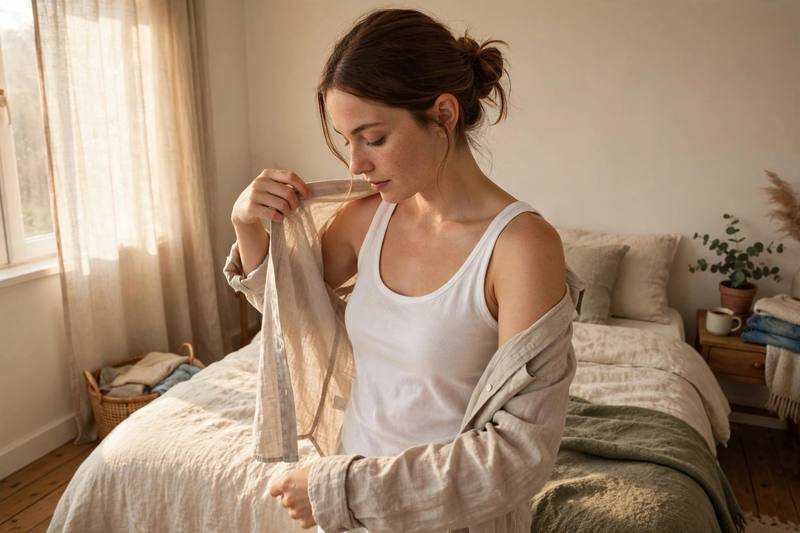
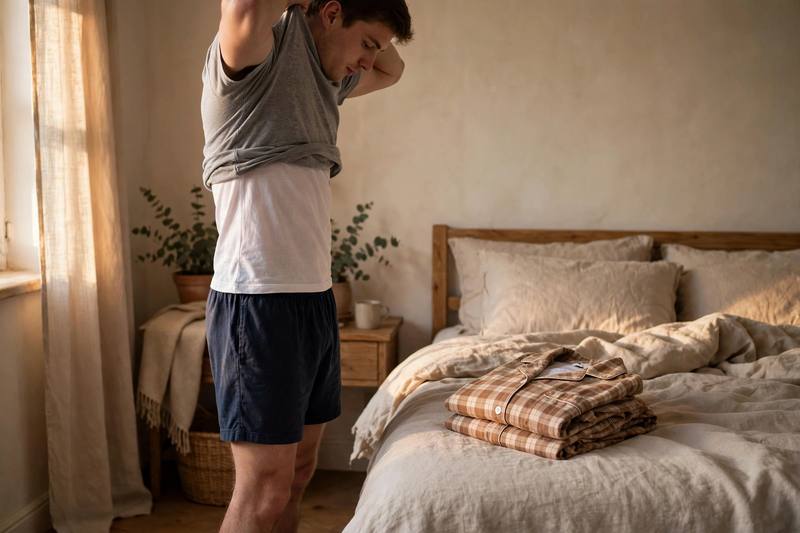
Now, Sara's mornings. She wakes up at seven, and she gets dressed quickly. She gets dressed in five minutes because her clothes are ready in the chest of drawers.
Getting dressed fast is a skill! At night, after a long day, she gets undressed, puts on her pajamas, and reads in bed.
She told me something funny. On her first morning, she got dressed in the dark and wore two different socks. She only saw it at work!
Oh no! Well, she gets dressed more carefully now. Learning to get dressed fast is useful, but looking in the mirror is useful too.
She says the best moment of the day is when she gets home, gets undressed, and puts on something comfortable. Some people get undressed and leave clothes everywhere, but not Sara.
And every night she gets undressed, folds her clothes, and sleeps like a baby in her new home.
On Sunday evening her best friend came for tea. Sara turned on the tap to fill the kettle, and they talked for hours. Then she took a bowl of fruit from the fridge, and they ate it together.
Her friend looked around and said, your home is lovely. The tap shines, the fridge is full, and even the chest of drawers looks happy. Sara laughed and said, a home is made of small things.
One more quick word before we finish. If you love this podcast, you will love the Muse English app even more. You get daily words with photos and pronunciation, shadowing stories that train your mouth, quizzes that test your memory, grammar lessons that build your sentences, and points for every lesson you finish. Join the leaderboard and see how far you can go. Download Muse English today, it is completely free.
Let's remember Sara's day. The tap works, the fridge is cold, and her clothes are in the chest of drawers. She eats from her bowl, she does housework on Saturdays, she gets dressed in the morning, and she gets undressed at night.
A new home, seven new words, and a happy ending. Thanks for listening to Muse English. See you tomorrow!
🎙 تمرین شدوئینگ نمونهٔ رایگان
گوش کنید و همزمان با صدا بلند تکرار کنید. تمرین کامل شدوئینگ در اپ است: هر جمله را تکرار میکنید و میبینید اپ چند کلمه از آن را تشخیص داده است.
Sara moved into a new apartment last week.
The apartment was small, but it was clean and bright.
The first thing she saw was the kitchen, and she opened the fridge.
صحبت کردن را تمرین کنید
در اپ Muse English همهٔ جملهها را شدوئینگ کنید. اپ گوش میدهد و نشان میدهد چند کلمه از جملهتان را تشخیص داده است.
📝گرامر: Could for Past Ability
Could is the past of *can* for ability. Use it for general abilities in the past, like things you learned as a child.
The negative is couldn't. For example, she couldn't find the tap in the dark kitchen.
For one specific success in a particular situation, use was able to or managed to, not *could*. We managed to fix the fridge after an hour.
To ask a question, say Could + person + verb. For example: Could you get dressed fast when you were a child?
Could is the same for every person. It never takes -s, and it never takes *to*: no *coulds*, no *could to d
این گرامر را در اپ کامل یاد بگیرید
توضیح کاملتر، مثالهای بیشتر و تمرین تعاملی.
هر روز ادامه بدهید
هر روز درس، پادکست و آزمون تازه؛ رایگان در اپ Muse English.