
📖 Muse English چیست؟
Muse English یک اپلیکیشن رایگان آموزش زبان انگلیسی است، با درس روزانه برای هر شش سطح، از A1 (مبتدی) تا C2 (تسلط کامل). هر روز لغتهای تازه با معنی فارسی، یک پادکست واقعی، تمرین شدوئینگ، گرامر و آزمون دارید. دربارهٔ اپ
📚 لغتها
۷ لغت تازه لغتهای تازه با معنی فارسی، مثال واقعی و تلفظ.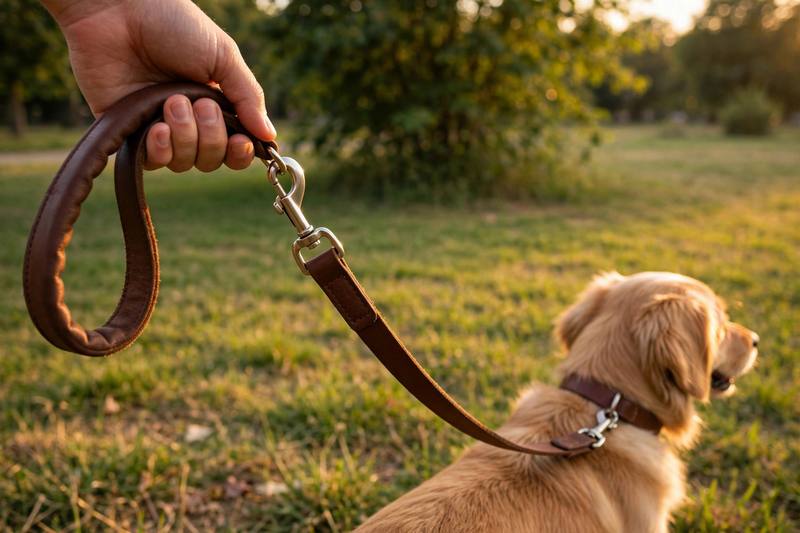

پادکست: طبیعت و محیط زیست: حیوانات خانگی
گفتوگوی امروز را گوش کنید.
📝 متن پادکست
Welcome to Muse English! I'm Maya.
And I'm Lena. Today's lesson is all about pets, our furry friends at home.
Yes! Dogs and cats make life so much happier. And we have seven new words for you today. Let's start with dogs.
Our first word is leash. A leash is the strong strap you hold when you walk a dog.
Exactly. When I take my neighbor's dog out, I always use a short leash near the road. A short leash keeps the dog safe.
That's smart. In the park, some people use a very long leash, so the dog can run and explore. But a long leash can be hard to control.
Right. My dog walks nicely on a leash because I trained him. He learned that a leash means it is time for a walk, and he gets so excited!
Ha, I can imagine. That's the word leash, our first word today.
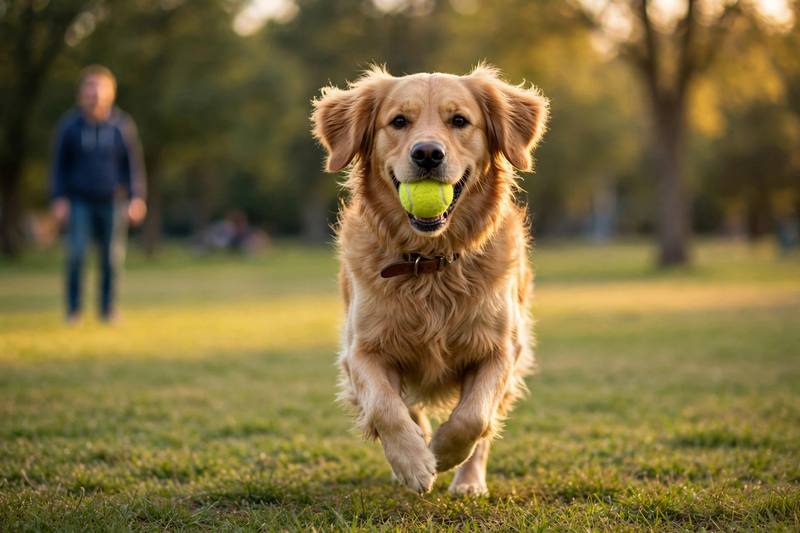
Our second word is fetch. Fetch means to go and bring something back. Dogs love to play fetch.
Oh yes! You throw a ball, and the dog runs to fetch it and brings it back. Then you throw it again, and he fetches it again.
My dog could play fetch all day. Sometimes he brings the ball back so fast that I have to throw it again before he can fetch it a second time!
That's funny. But careful: if your dog is tired, do not ask him to fetch too many times. Let him rest after a good game of fetch.
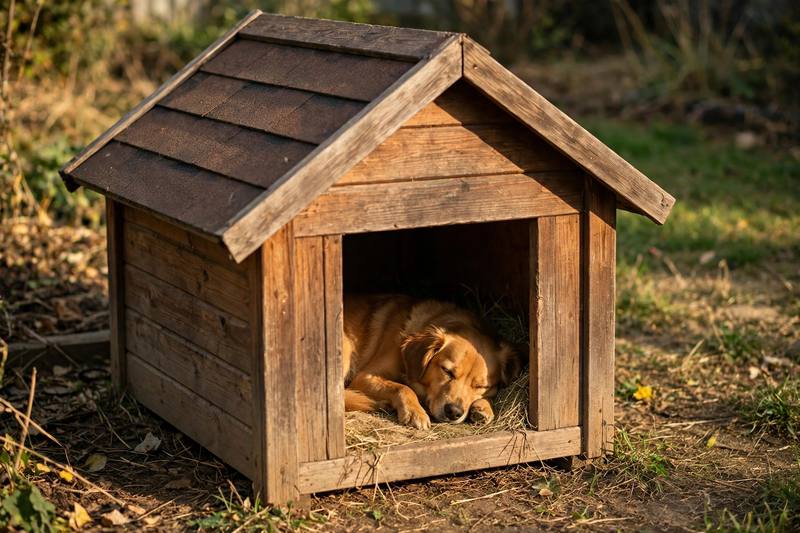
Good advice. Word three is kennel. A kennel is a small house where a dog sleeps.
Right. A kennel is usually outside in the garden. It keeps the dog warm and dry at night.
My cousin's dog has a big kennel with a soft blanket inside. Every evening the dog goes into his kennel without being asked.
That is sweet. But remember, a kennel is not a prison. A dog should not stay in a kennel all day. He needs walks and playtime too.
Absolutely. A kennel is just a place for rest. During the day the dog plays outside, and at night he sleeps in his cozy kennel.
Quick break! Have you tried the Muse English app yet? Every day you get new words with photos and pronunciation, plus this podcast, shadowing stories, fun quizzes, grammar lessons, and a leaderboard where you earn points for studying. It is free, and learning feels like a game. Download Muse English today and practice with today's words. Now, back to our pet lesson!
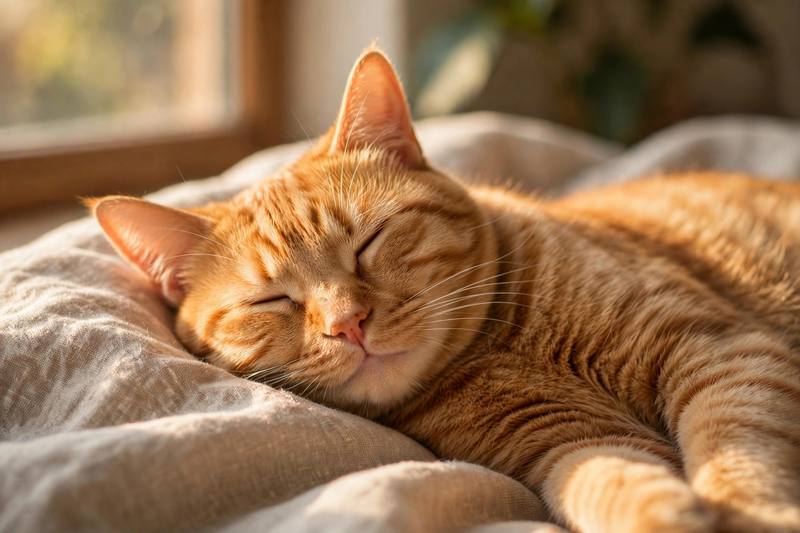
Welcome back! Let's talk about cats. Our next word is purr. Purr is the soft sound a cat makes when it is happy.
Yes! When a cat sits on your lap and feels safe, it begins to purr. That soft purr is one of the sweetest sounds in the world.
My cat always starts to purr when I stroke her head. She closes her eyes and I hear her purr, purr, purr. It is like she is saying thank you.
Purr, purr, purr! Some cats purr so loudly you can hear them from the next room. My aunt's cat loves to purr while she eats her dinner.
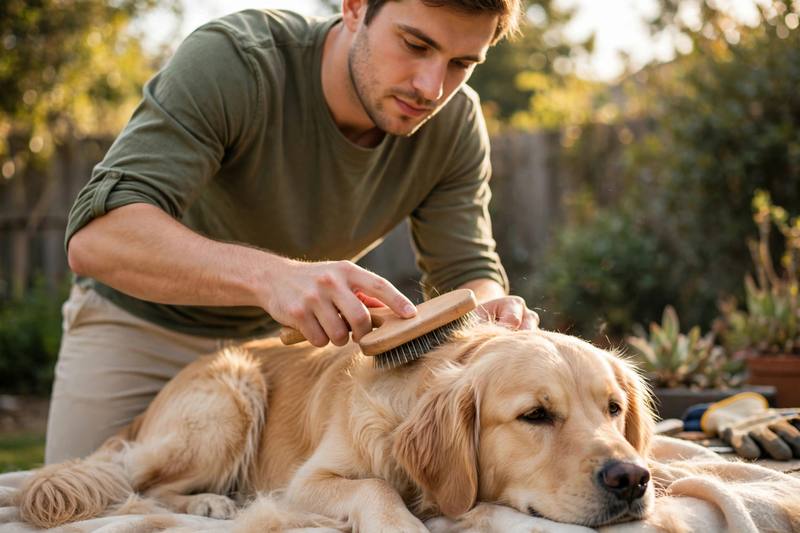
Ha! Word five is groom. To groom means to clean and brush an animal's hair.
Right. Long-haired cats need a lot of care. You should groom them every day, or their hair gets tangled.
I groom my cat with a soft brush. It only takes five minutes, but she loves it. Grooming is also good for dogs. I groom my neighbor's dog after walks in the rain.
That is a nice routine. When you groom an animal regularly, its hair stays clean and healthy. And it is a great way to spend time together.
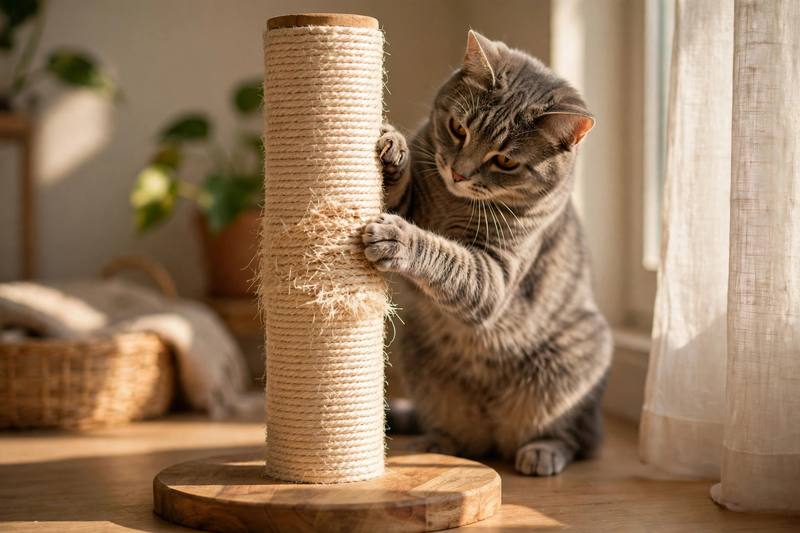
Word six: scratching post. A scratching post is a post that cats use to scratch their claws.
Cats love to scratch things! Without a scratching post, a cat will scratch your sofa or your curtains.
Exactly. That is why we bought a tall scratching post for our cat. Now she uses the scratching post every day, and our furniture is safe.
Smart move. Put the scratching post near the place where the cat sleeps. Cats often like to stretch and scratch right after a nap, so a scratching post nearby is perfect.
Our last word is stray. A stray is an animal that is lost and has no home.
This one is a bit sad. You sometimes see a stray dog or a stray cat in the street, looking for food.
Yes. Last winter I found a little stray cat behind our house. She was cold and hungry. We gave her food and took her to the vet.
And now she is your cat? The little stray became a family member. The one that purrs on your lap?
Yes! She was a stray for only a short time, and now she has a warm home, a scratching post, and all the love she needs.
That is a lovely story. If you find a stray, the best thing is to take it to a shelter. Many shelters find new homes for a stray animal within a few weeks.
One more thing before we finish! If you enjoyed today's pet words, open the Muse English app and practice them with today's shadowing story and quiz. You can listen to each word, repeat it out loud, and earn points on the leaderboard. New lessons land in the app every single morning. Tell a friend who loves pets and English. Install Muse English for free and keep learning with us every day!
Thanks for listening to Muse English! Try to use today's words: tell a friend about the leash you use, the kennel your dog sleeps in, the purr of your cat, a stray you once helped, how you groom your pet, your cat's scratching post, and a fun game of fetch.
See you tomorrow for a brand new lesson. Keep practicing, and take good care of your furry friends. Bye!
Bye!
🎙 تمرین شدوئینگ نمونهٔ رایگان
گوش کنید و همزمان با صدا بلند تکرار کنید. تمرین کامل شدوئینگ در اپ است: هر جمله را تکرار میکنید و میبینید اپ چند کلمه از آن را تشخیص داده است.
Mia loves her dog Max and her cat Luna more than anything in the world.
Every morning Mia puts the leash on Max and takes him for a long walk in the park.
The red leash is Max's favorite, and he jumps with joy when he sees the leash.
صحبت کردن را تمرین کنید
در اپ Muse English همهٔ جملهها را شدوئینگ کنید. اپ گوش میدهد و نشان میدهد چند کلمه از جملهتان را تشخیص داده است.
📝گرامر: Past Simple and Irregular Verbs
We use the past simple to talk about actions that finished in the past. The time is clear or already understood.
Regular verbs add -ed to the base form: walk → walked, play → played, purr → purred.
Many common verbs are irregular and change completely: go → went, take → took, find → found. You must learn these forms by heart.
In negative sentences we use didn't + the base verb: I didn't walk the dog yesterday. In questions we use Did + the subject + the base verb: Did you groom the cat?
Watch the spelling. Verbs ending in -y chang
این گرامر را در اپ کامل یاد بگیرید
توضیح کاملتر، مثالهای بیشتر و تمرین تعاملی.
هر روز ادامه بدهید
هر روز درس، پادکست و آزمون تازه؛ رایگان در اپ Muse English.