
📖 What is Muse English?
Muse English is a free English learning app with daily lessons across all 6 CEFR levels (A1 Beginner to C2 Proficient). Every day brings new vocabulary, a real podcast conversation, shadowing practice, grammar and quizzes — all at museenglishapp.com.
📚 Vocabulary
10 new words Learn new words with real examples and audio.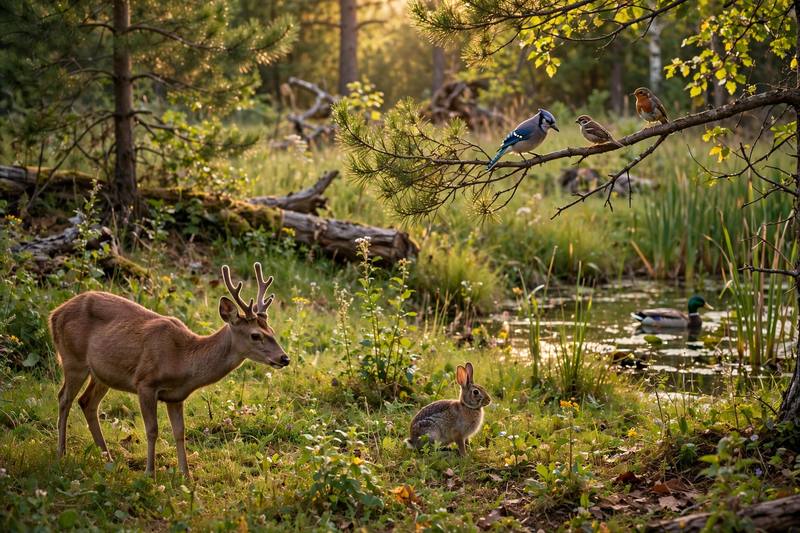
Podcast: Nature & Environment
Listen to today’s conversation.
📝 Podcast Transcript
Word Kitchen: Our Green Planet
Hello and welcome to Word Kitchen! I am Maya.
And I am Lena! Today we are cooking up ten wonderful words about nature and the environment.
That is right. Our planet is beautiful, but it needs our help. Let us start with the word wildlife.
Wildlife means animals and birds that live in nature, not in homes or zoos.
Last summer I visited a national park, and I saw so much wildlife there. There were deer, rabbits, and many colorful birds.
That sounds lovely. But in many places, wildlife is in danger. When people cut down forests, wildlife loses its home.
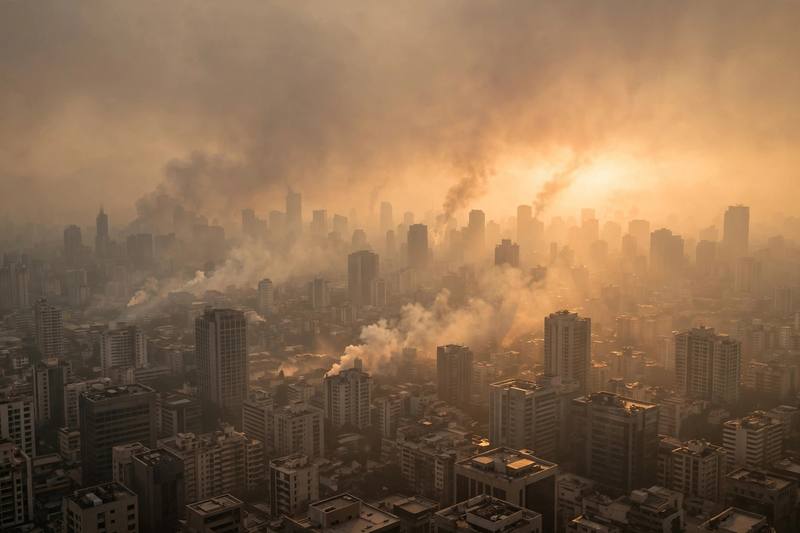
Yes, and pollution hurts wildlife too. Pollution is our next word. Pollution means dirty air, water, or land that is bad for people and animals.
Big cities often have air pollution from cars and factories. And water pollution hurts fish and other wildlife in rivers and lakes.
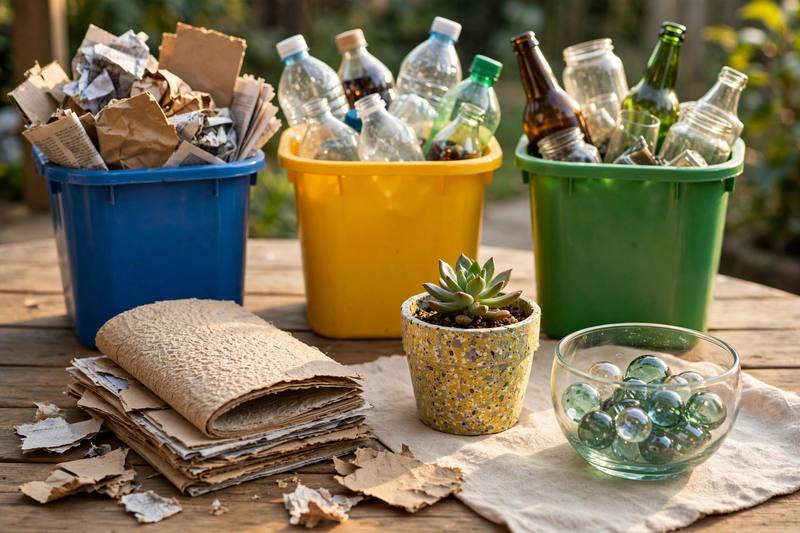
So what can we do about pollution? We can recycle! To recycle means to use old paper, plastic, or glass again to make new things.
I recycle all my plastic bottles and newspapers. It is easy. When you recycle, you help reduce pollution and you protect wildlife.
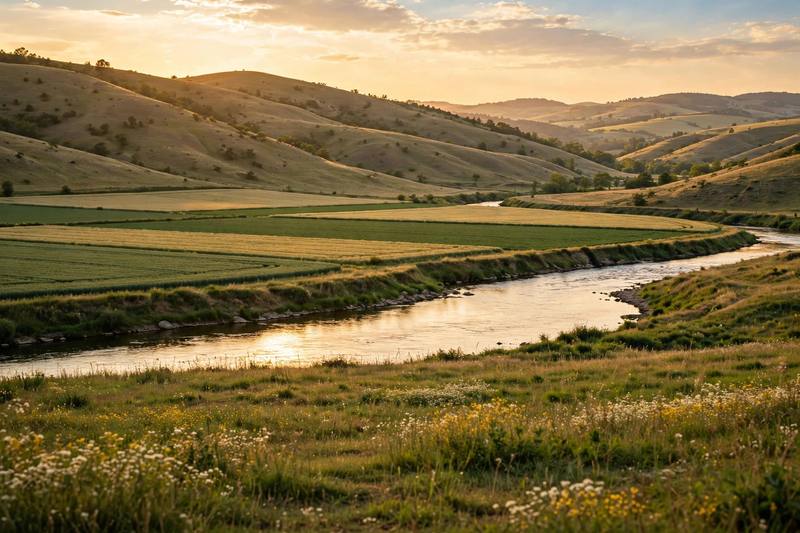
Great habit, Lena. Now let us talk about the landscape. Landscape means everything you can see in a natural place: the hills, fields, and rivers.
The landscape changes with the climate. Climate is our next word. Climate means the usual weather of a place over a long time.
Exactly. For example, the climate in Canada is cold in winter, but the climate in Egypt is hot and dry all year.
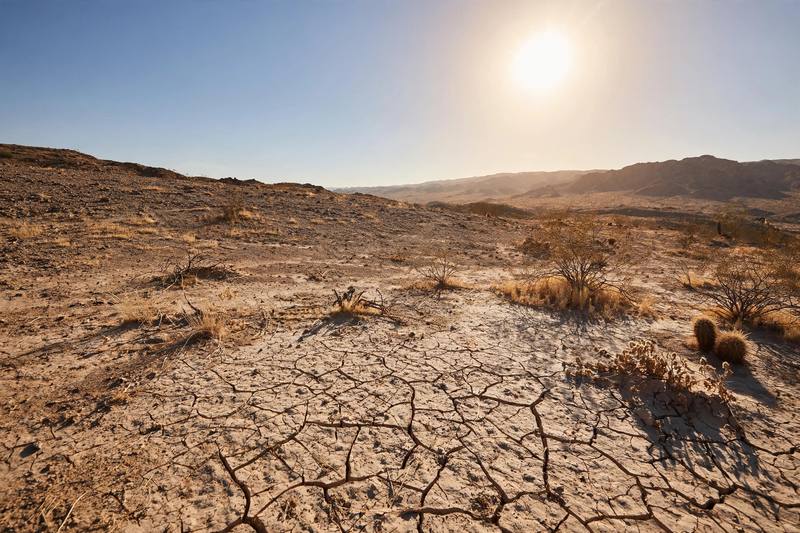
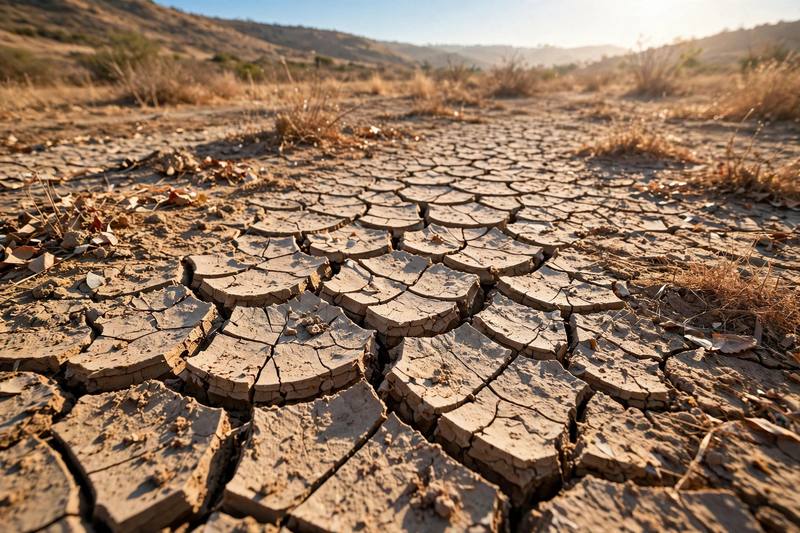
And a changing climate can bring a drought. Drought means a long time with no rain, so plants cannot grow.
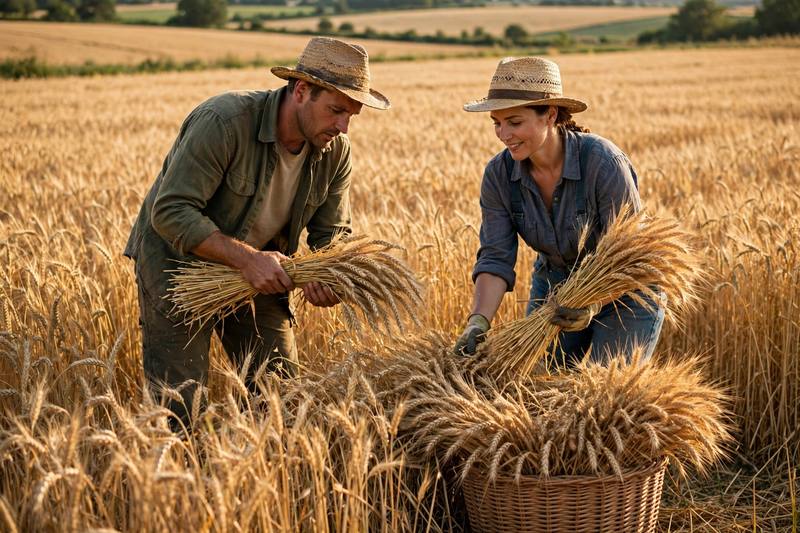
Droughts are terrible for farmers. Without rain, there is no harvest. Harvest means collecting crops from the fields when they are ready.
Farmers collect the harvest in autumn. But when a drought comes, the harvest is small and food becomes expensive.
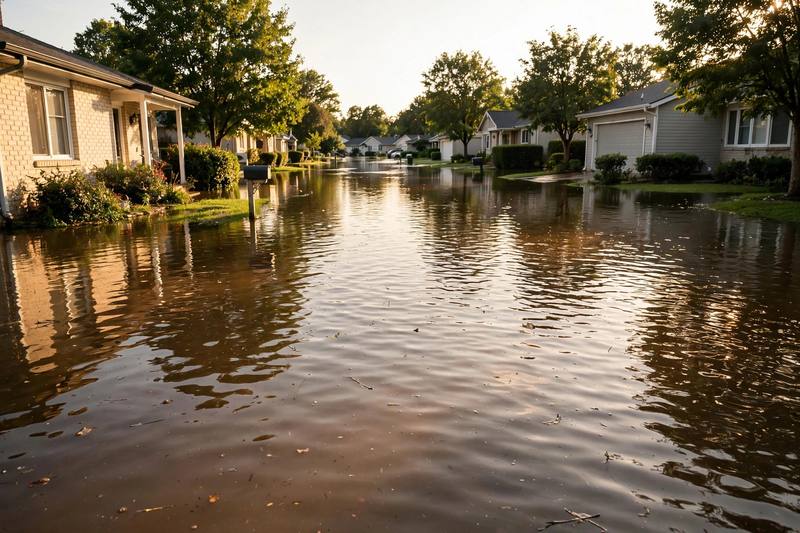
And too much rain brings the opposite problem: a flood. Flood means water covering land that is usually dry.
A flood can damage homes near a river, and a flood can also destroy the harvest in the fields.
So the climate can give us a drought or a flood, two opposite problems for farmers and for wildlife.
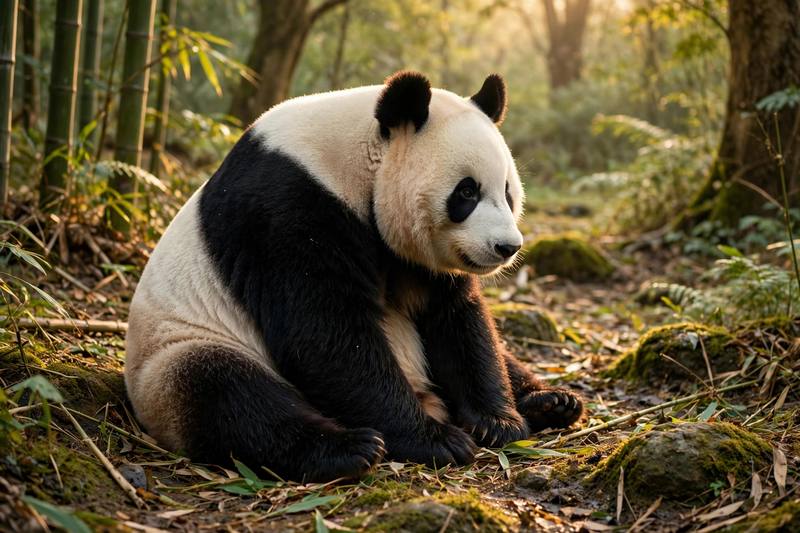
That is true. Now, what about the word endangered? Endangered means an animal or plant that may disappear forever.
The panda is an endangered animal. Tigers are endangered too. Many kinds of wildlife are endangered because of pollution and lost homes.
But there is good news. Some endangered animals are coming back because people protect them. National parks keep wildlife safe.
Our last word is solar. Solar means from the sun, or using energy from the sun.
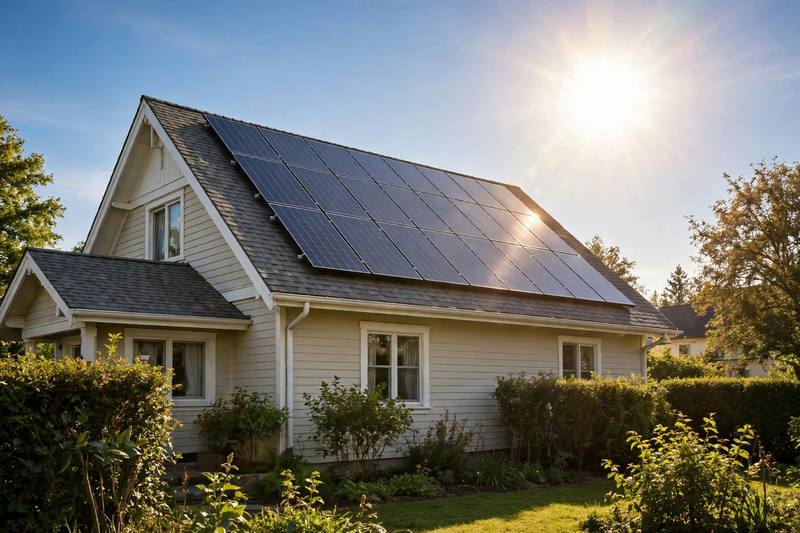
Solar energy is clean. When we put solar panels on our roofs, we make less pollution. Solar power does not hurt the wildlife or the landscape.
I love that picture: a green landscape with solar panels on the houses. No smoke, no pollution, just clean solar energy.
And with clean energy, the climate stays more stable. We get fewer droughts and floods, and farmers get a good harvest every year.
Before the game, here is a question from a listener. Sara asks: how can I remember all these new words?
Great question, Sara. Use the words in real life. When you read the news about a drought or a flood, say the words out loud.
Yes! And when you recycle at home, say to yourself: I recycle because I want less pollution and more wildlife.
You can also look at the landscape on your way to work and think about the climate in your city.
And when you see solar panels on a roof, remember the word solar. Words are easy to remember when you connect them to your own life.
Exactly. Now let us review our ten words: wildlife, landscape, climate, pollution, recycle, endangered, drought, flood, harvest, and solar.
Now a quick game, Maya. I say a meaning, you say the word. Ready?
Ready!
Dirty air, water, or land.
Pollution!
Using old things again to make new things.
Recycle!
A long time with no rain.
Drought!
Water covering dry land.
Flood!
Animals living in nature.
Wildlife!
An animal that may disappear forever.
Endangered!
The usual weather of a place over a long time.
Climate!
Collecting crops from the fields.
Harvest!
From the sun.
Solar!
Everything you can see in a natural place.
Landscape!
Perfect! Ten out of ten. Now, Maya, if you could see wildlife anywhere in the world, where would you go?
I would go to Africa. I want to see wildlife in a wide, open landscape, under a warm climate.
Wonderful. I would go to the mountains. The landscape there is amazing, and the clean air is good for all wildlife.
Do you recycle at home, Lena?
Yes, I do. I recycle plastic, glass, and paper. If everyone recycles, we can fight pollution together.
And what do you think about solar energy?
I think solar is the future. Solar panels are cheaper now, and solar power keeps the air clean for wildlife and for people.
I agree. One more question. Why is it bad when an animal is endangered?
Because an endangered animal may disappear forever. When we lose wildlife, we lose part of our planet.
Well said. A drought or a flood can hurt both wildlife and people, so we must care for the climate.
So remember our ten words today: wildlife, landscape, climate, pollution, recycle, endangered, drought, flood, harvest, and solar.
Use them in your own sentences this week. Look out of your window, describe the landscape, and tell a friend what you recycle.
Thanks for joining us in the Word Kitchen. Keep learning, keep practicing, and take care of our planet!
See you tomorrow!
🎙 Try Shadowing free sample
Listen and repeat along with the studio audio. Full shadowing practice with pronunciation scoring is in the app.
The Green Valley
Last spring, I walked through a beautiful green landscape.
The mild climate kept the landscape green, with hills, trees, and a small river.
Train your speaking
Shadow every sentence with studio audio and get your pronunciation scored — only in the Muse English app.
📝Grammar: First conditional and future time clauses
We use the **first conditional** for real future possibilities. The rule is: **if** + present simple, **will** / **won't** + verb. If we recycle more, we will have less pollution. Never use **will** after **if**. We say: If the drought ends, we will be happy. Not: if the drought will end. **Unless** means **if not**. The wildlife will disappear unless we protect it. We also use the present tense, not the future, after **when**, **as soon as**, **until**, **before**, and **after**. We say: I will call you when I arrive. Not: when I will arrive.
Master this grammar in the app
Get clear explanations, more examples and interactive exercises.
Keep learning every day
New lessons, podcasts and quizzes daily — free in the Muse English app.