📅 2026-10-01📊 B1 Intermediate📚 20 new words🎧 daily podcast
📖 What is Muse English?
Muse English is a free English learning app with daily lessons across all 6 CEFR levels (A1 Beginner to C2 Proficient). Every day brings new vocabulary, a real podcast conversation, shadowing practice, grammar and quizzes — all at museenglishapp.com.
📚 Vocabulary
20 new wordsLearn new words with real examples and audio.
bargain /BAR-gin/
noun
something you buy for a very good, low price
"I got this jacket for forty dollars. What a bargain!"
budget /BUH-jit/
noun
a plan for how much money you can spend
"We made a budget so we don't spend too much this month."
discount /DISS-kownt/
noun
money taken off the normal price
"The store gave me a twenty percent discount on shoes."
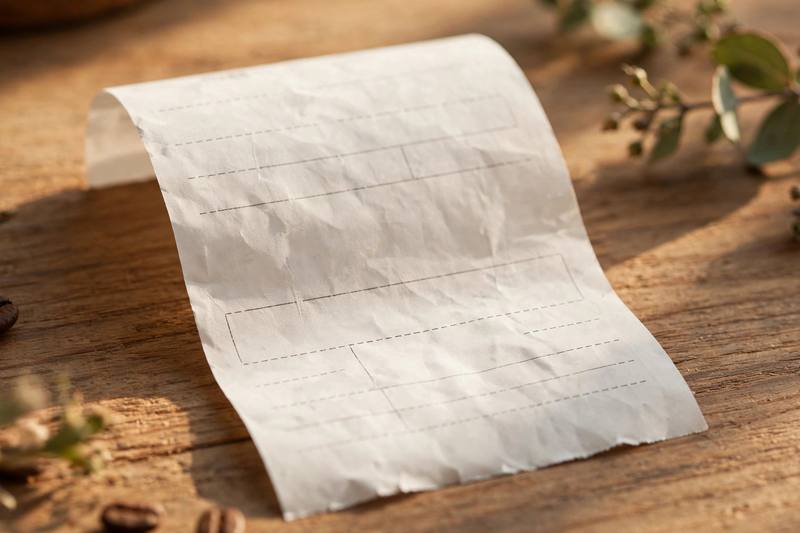
receipt /ree-SEET/
noun
a small paper that proves you paid for something
"Keep your receipt in case you want to return the shirt."
refund /REE-fund/
noun
money a store gives back to you after a return
"I got a full refund when I took the jacket back."
afford /uh-FORD/
verb
to have enough money to pay for something
"We can't afford a new car right now."
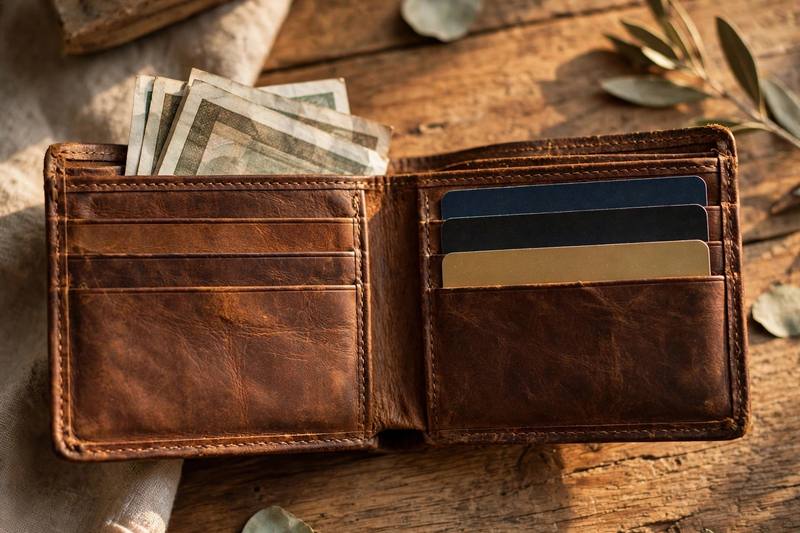
wallet /WAH-lit/
noun
a small case where you keep money and cards
"He opened his wallet and paid in cash."
debt /det/
noun
money that you owe to someone else
"She worked hard to pay off her credit card debt."
savings /SAY-vingz/
noun
money you keep for the future instead of spending
"We put ten percent of our pay into savings every month."
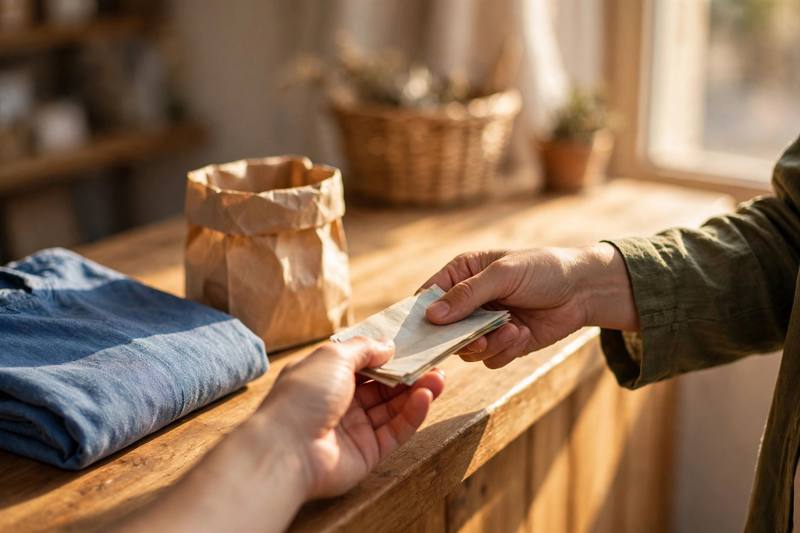
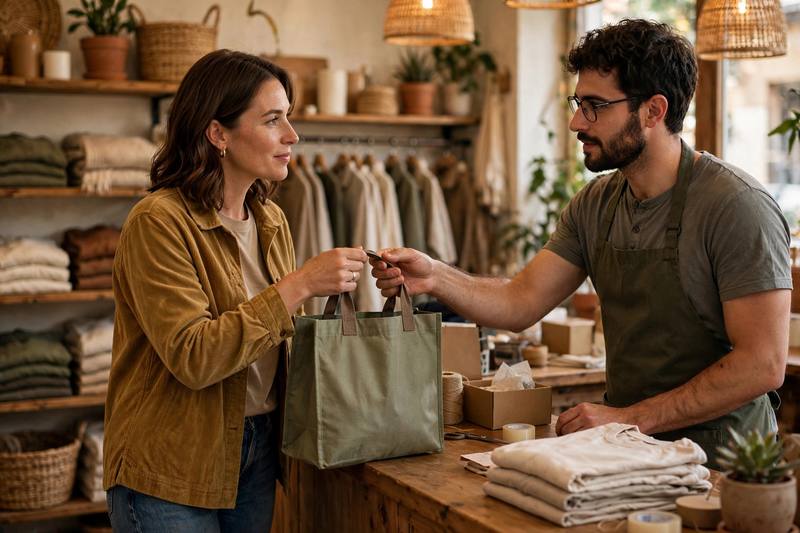
cashier /ka-SHEER/
noun
the person at a store who takes your money
"The cashier scanned my items and gave me change."
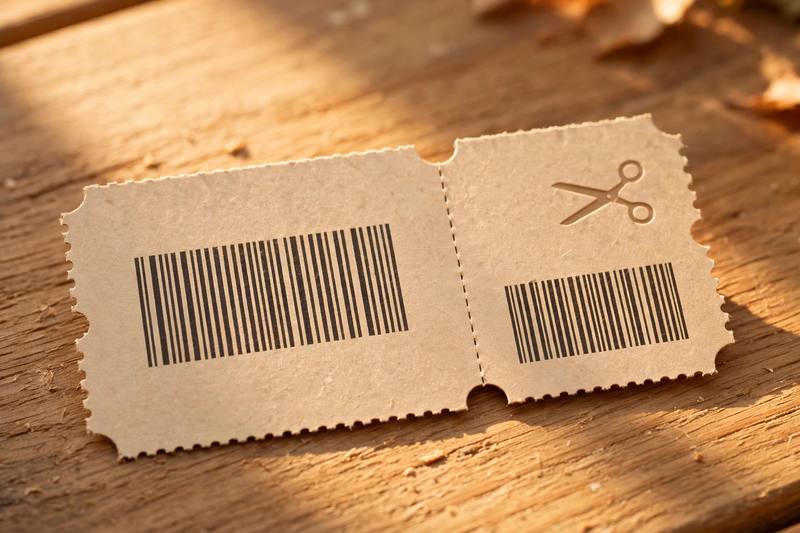
coupon /KOO-pon/
noun
a ticket or code that gives you a discount
"I used a coupon and saved fifteen dollars on groceries."
tip /tip/
noun
extra money you give a server for good service
"We left a ten-dollar tip for the waiter."
bill /bil/
noun
a paper that shows how much you have to pay
"The waiter brought the bill at the end of the meal."
sale /sayl/
noun
a time when a store sells things at lower prices
"All coats are half price in the winter sale."
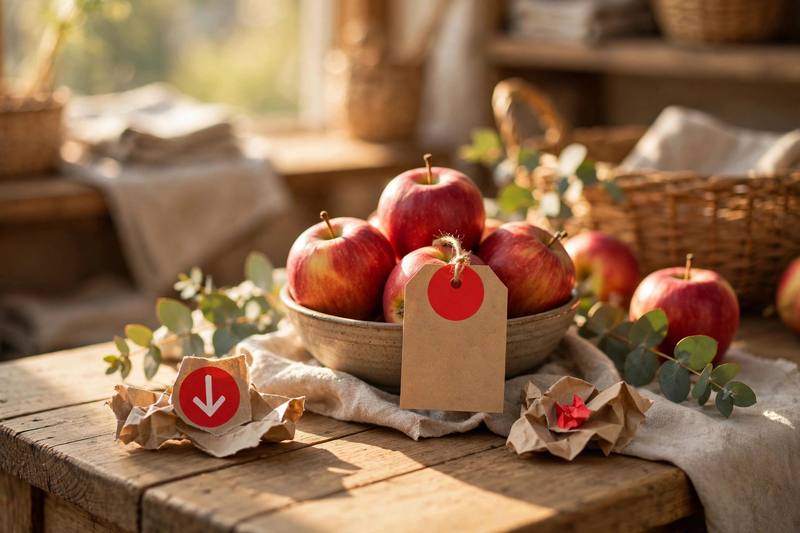
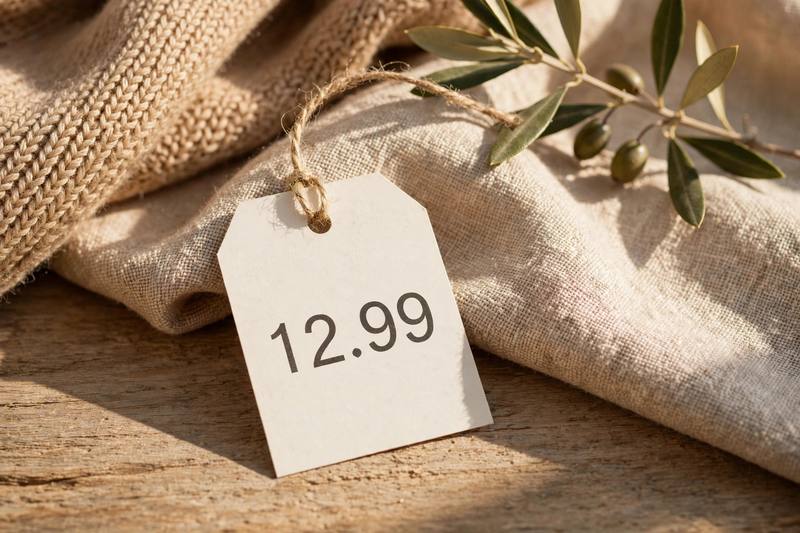
price tag /PRYSS tag/
noun
the label on a product that shows its price
"Check the price tag before you go to the cashier."
overpriced /oh-vur-PRYST/
adjective
costing too much money for what you get
"Twenty dollars for a cup of coffee is overpriced."
exchange /iks-CHAYNJ/
verb
to take something back and get a different item
"These shoes are too small. Can I exchange them?"
return /ree-TURN/
verb
to take something back to the store
"I decided to return the sweater because it didn't fit."
try on /TRY on/
verb
to put on clothes in a store to see if they fit
"Can I try on these jeans in the fitting room?"
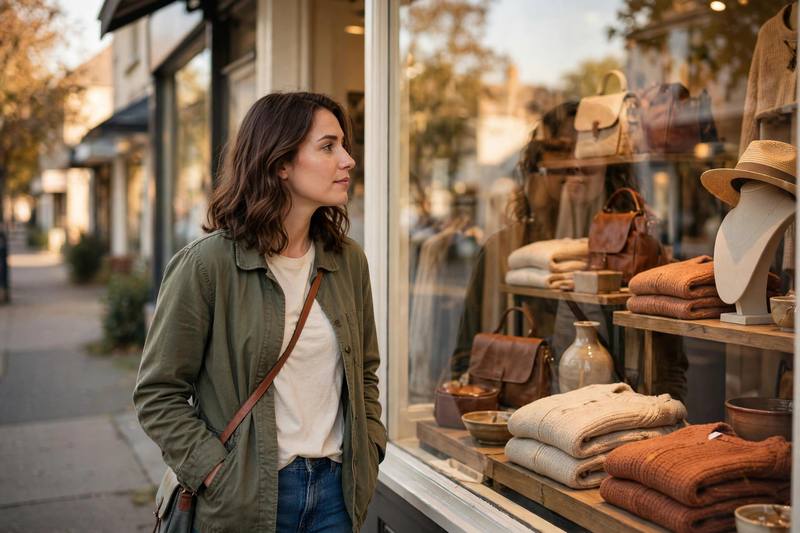
window shopping /WIN-doh SHAH-ping/
noun
looking at shop windows without buying anything
"We went window shopping but didn't spend a dollar."
🎧
Podcast: Shopping & Money
Listen to today’s conversation.
🎙
Train your speaking
Shadow every sentence with studio audio and get your pronunciation scored — only in the Muse English app.
📝Grammar: Obligation and prohibition: have to, must, mustn't, don't have to, should
Use **have to** and **must** for things that are necessary. **Have to** is common for rules and everyday obligations: I **have to** pay the bill before I leave.
**Must** is stronger and more personal — the speaker's own decision: I **must** stop buying things I can't afford. In questions it needs no helper verb: **Must I pay now?**
Negatives mean different things! **Mustn't** means prohibited — don't do it: you **mustn't** steal from a shop. But **don't have to** means not necessary: you **don't have to** tip everywhere.
Use **should** for advice, not rules. You **should** compare prices be
Master this grammar in the app
Get clear explanations, more examples and interactive exercises.