📅 2026-09-30📊 B1 Intermediate📚 20 new words🎧 daily podcast
📖 What is Muse English?
Muse English is a free English learning app with daily lessons across all 6 CEFR levels (A1 Beginner to C2 Proficient). Every day brings new vocabulary, a real podcast conversation, shadowing practice, grammar and quizzes — all at museenglishapp.com.
📚 Vocabulary
20 new wordsLearn new words with real examples and audio.
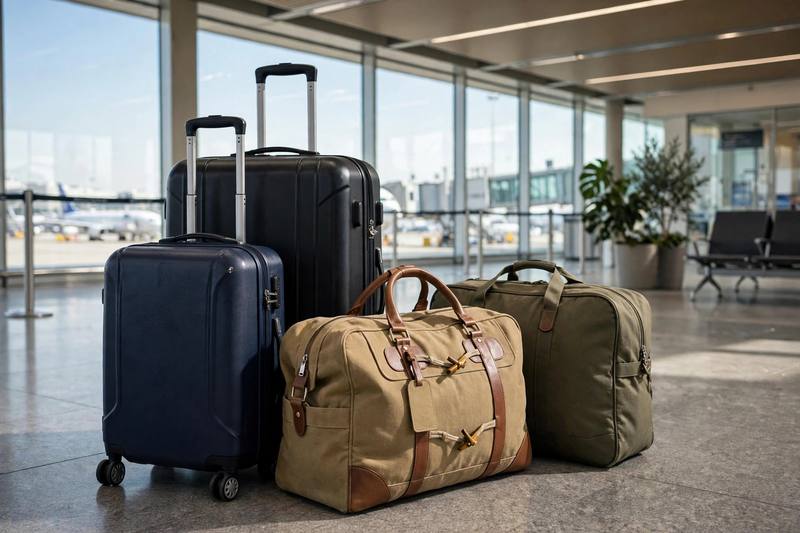
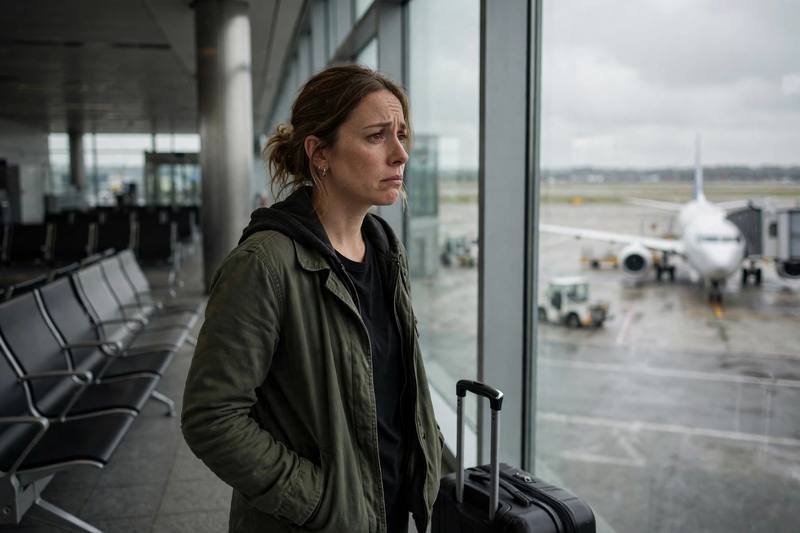
luggage /LUH-gij/
noun
the bags and suitcases you carry when you travel
"We left our luggage at the hotel reception."
journey /JER-nee/
noun
a long trip from one place to another
"The journey from Paris to Rome took eight hours."
departure /dee-PAR-chur/
noun
the act of leaving a place
"Our departure is at six in the morning."
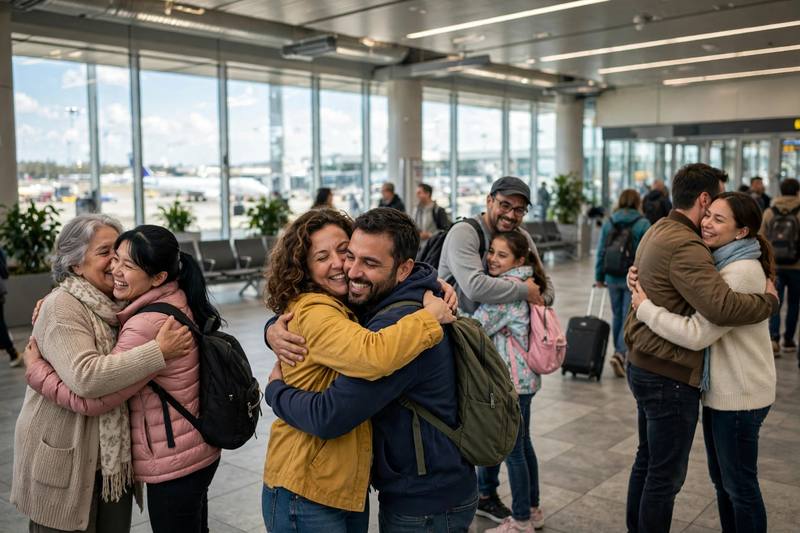
arrival /uh-RY-vul/
noun
the act of reaching a place
"They announced our arrival in London."
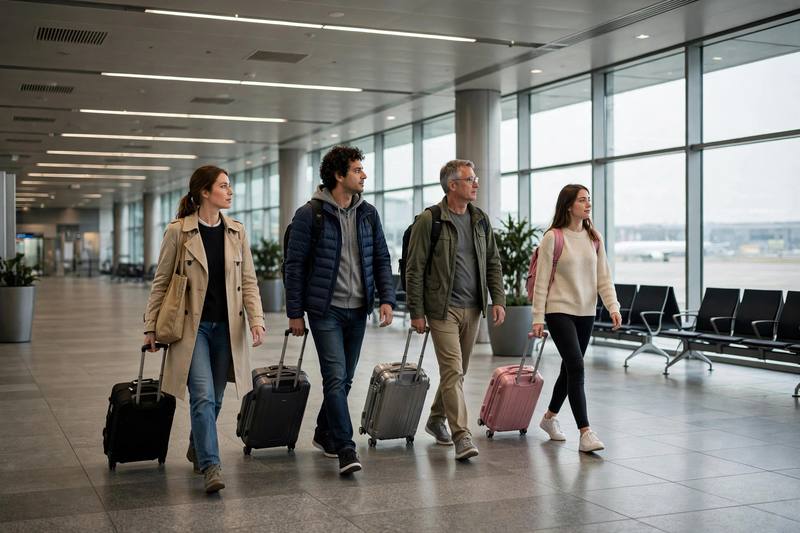
terminal /TER-muh-nul/
noun
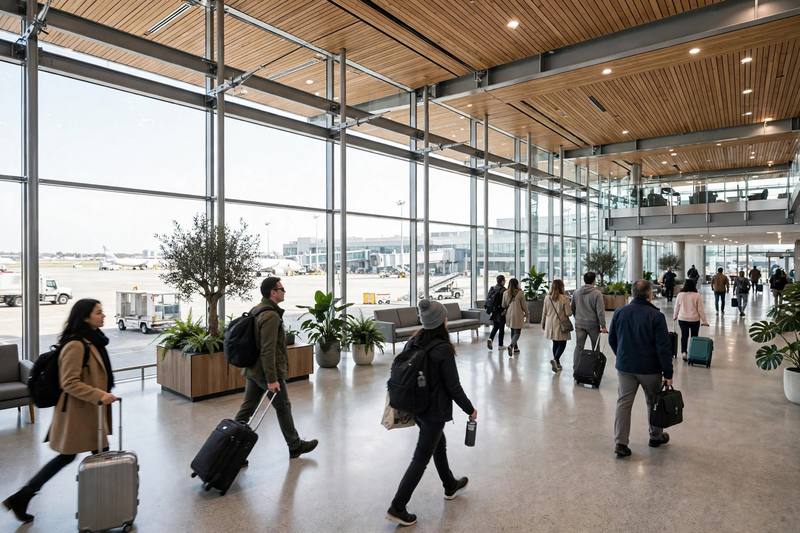
a large building at an airport where journeys begin and end
"Our flight leaves from Terminal 2."
suitcase /SOOT-kayss/
noun
a large bag with a handle for carrying clothes when you travel
"She packed her suitcase the night before."
hostel /HOSS-tul/
noun
a cheap place to stay, popular with young travelers
"We stayed in a friendly hostel near the beach."
resort /ree-ZORT/
noun
a place where many people go on holiday, often by the sea
"The resort has three swimming pools."
sightseeing /SYTE-see-ing/
noun
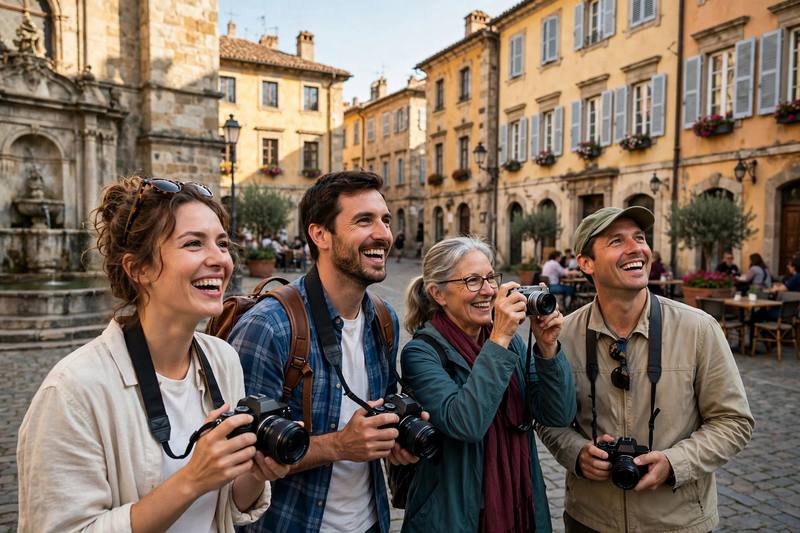
visiting famous places as a tourist
"We spent the day sightseeing in the old town."
landmark /LAND-mark/
noun
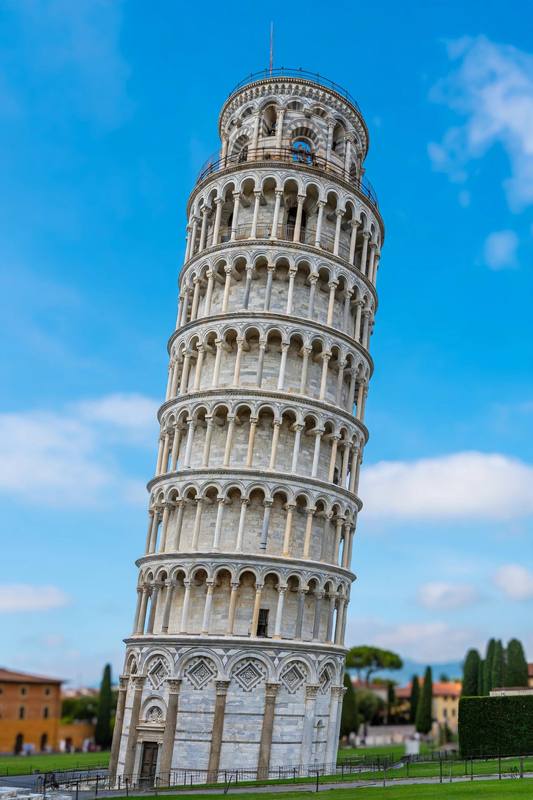
a famous building or place that is easy to recognize
"The Eiffel Tower is a famous landmark."
delay /dee-LAY/
noun
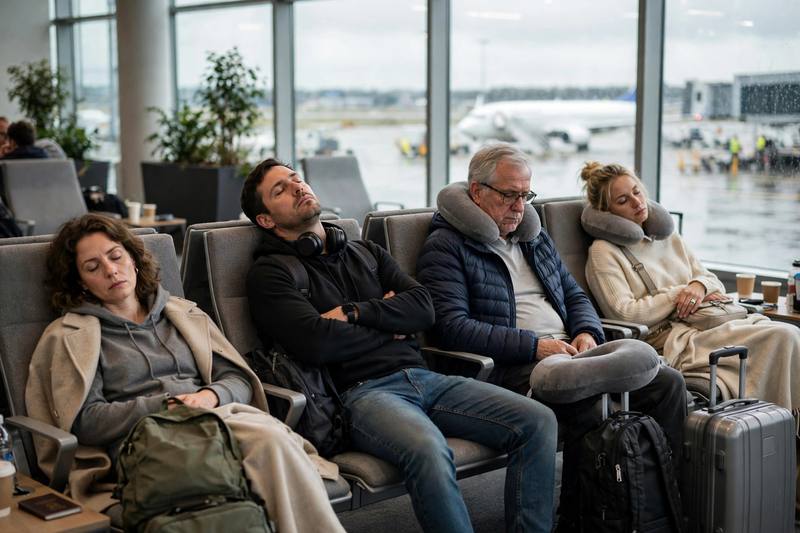
when something happens later than planned
"Our flight was delayed by two hours."
cancel /KAN-sul/
verb
to stop something that was planned
"They cancelled our flight because of the storm."
reserve /ree-ZERV/
verb
to book something in advance
"I reserved a table at the restaurant."
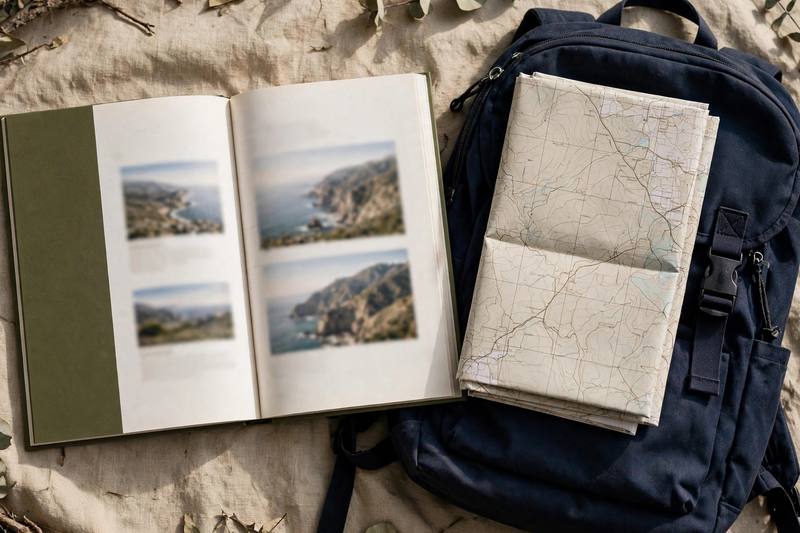
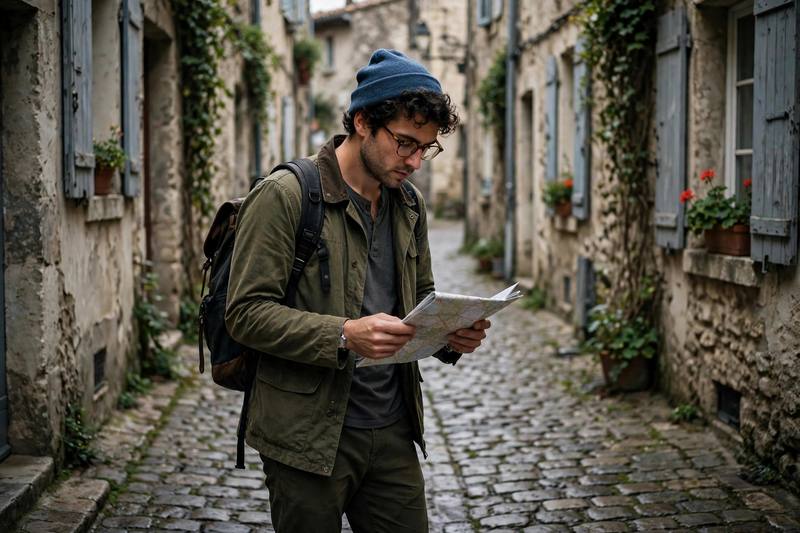
guidebook /GYDE-book/
noun
a book with information for travelers
"This guidebook lists all the best restaurants."
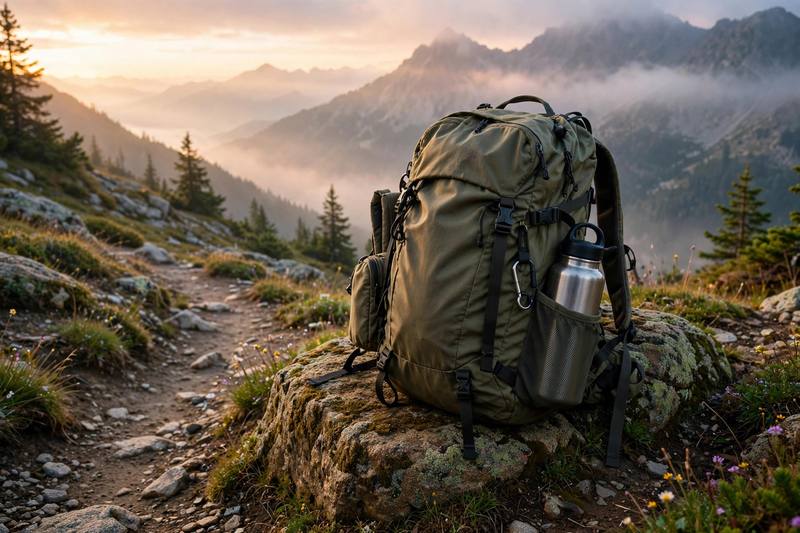
backpack /BAK-pak/
noun
a bag you carry on your back
"He carried his backpack through the mountains."
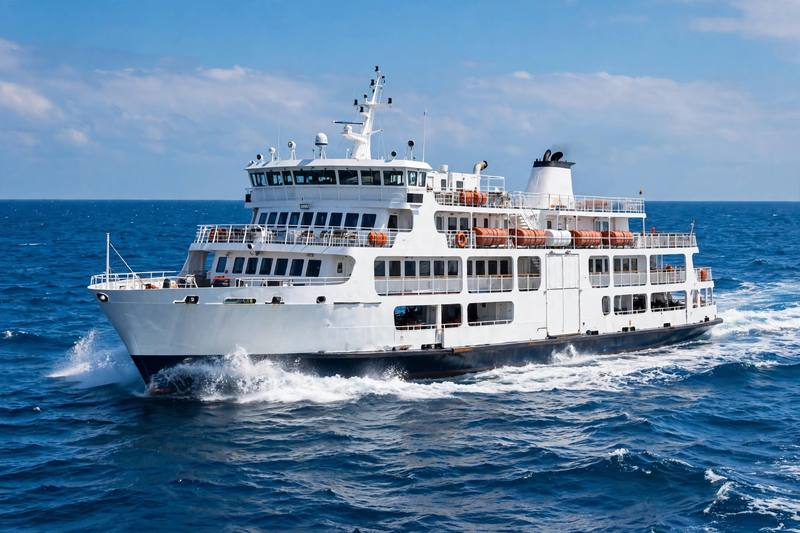
ferry /FEH-ree/
noun
a boat that carries people across water on a regular route
"We took the ferry to the island."
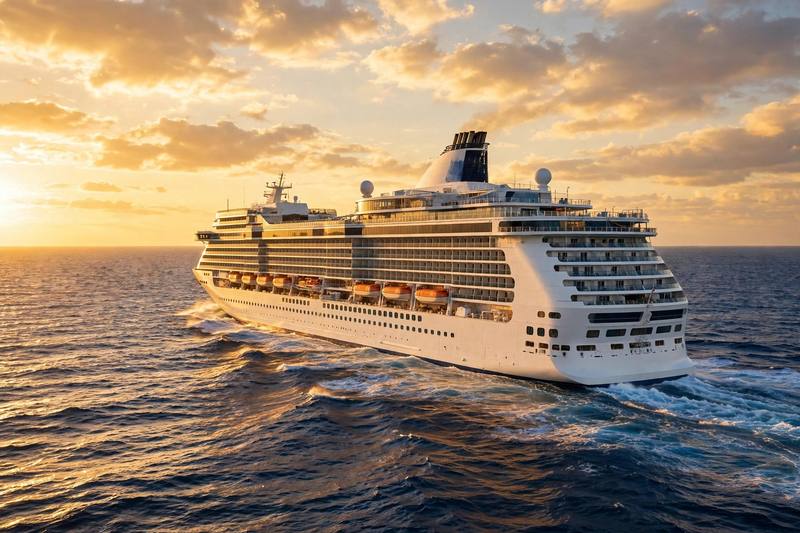
cruise /KROOZ/
noun
a holiday on a large ship that visits different places
"They went on a cruise around the Mediterranean."
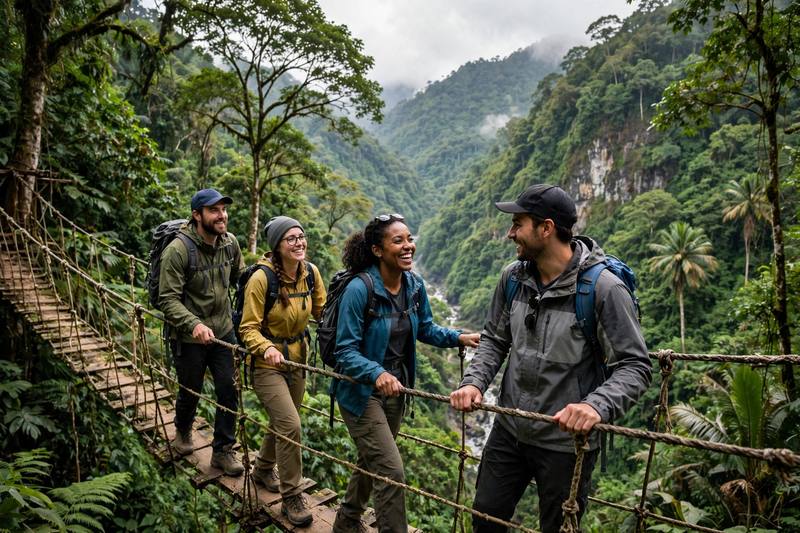
adventure /ad-VEN-chur/
noun
an exciting or unusual experience
"Our trip to the desert was a real adventure."
souvenir /soo-vuh-NEER/
noun
something you buy to remember a trip
"I bought a small souvenir for my mother."
explore /ik-SPLOR/
verb
to travel around a place to learn about it
"We explored the city on foot."
🎧
Podcast: Travel & Holidays
Listen to today’s conversation.
🎙
Train your speaking
Shadow every sentence with studio audio and get your pronunciation scored — only in the Muse English app.
📝Grammar: Present perfect: have/has + past participle
We use the **present perfect** to talk about past actions that are connected to the present. Form it with **have** or **has** + the **past participle** of the main verb: *I have visited*, *she has eaten*.
Use **have** with *I, you, we, they* and **has** with *he, she, it*: *they have arrived*, *he has arrived*.
We often use it for **life experiences** with *ever* and *never*: *Have you ever been to Japan? I have never tried sushi.* The exact time is not important — what matters is the experience itself.
We also use it for **recent actions** with *just*, *already*, and *yet*: *She has just f
Master this grammar in the app
Get clear explanations, more examples and interactive exercises.